



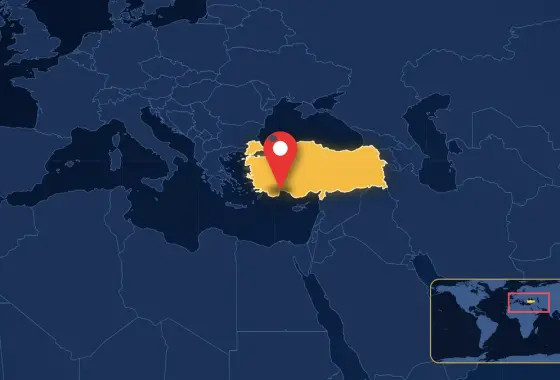
Negotiators at the UN Climate Change Conference (COP31) in Antalya, Türkiye, published a new draft decision on Thursday, 19 November 2026, one day before the summit’s scheduled close. According to Reuters, the revised text removed every reference to ending or limiting the use of fossil fuels. Monday’s first draft had contained two such phrases; both were deleted. The text is not expected to be the final version, but negotiations at the summit, scheduled to end on Friday, will now continue from this baseline.
The COP31 presidency is shared between host Türkiye and Australia, which leads the negotiations. About 200 countries take part, decisions are taken by consensus, and past summits have often overrun their scheduled close by more than 24 hours. According to Common Dreams, the draft is the latest version of the political package known as the “cover decision”, while the first draft was an 18-page document. Australia had said that Monday’s draft was deliberately broad and would be narrowed over time.
What was removed from the draft?
The common thread of the Reuters and Common Dreams reports is that the text was clearly weakened compared with the first version. The main elements removed are as follows:
- Fossil fuel references: The two phrases in Monday’s draft were deleted; according to Common Dreams, the term “fossil fuels” and the wording “transition away from fossil fuels” no longer appear in the text at all.
- New wording: Negotiators instead use the phrase “transition towards low greenhouse gas emissions and climate-resilient development”.
- Adaptation finance target: The $120 billion target for helping developing countries adapt to climate change was removed from the text.
- Tripling: Setting a baseline for tripling adaptation finance was pushed into a new process; instead of a firm commitment, the text envisages that it will be “discussed”.
What remains in the text?
The draft acknowledges that global warming could exceed 1.5 °C and calls for “deep, rapid and sustained” cuts in greenhouse gas emissions. According to Common Dreams, the wording that keeps 1.5 °C “within reach” has been retained, although the text also stresses that countries “will take different pathways and solutions”. Scaling up carbon dioxide removal technologies is encouraged, and carbon capture and storage (CCS) has been added among the target options. Jasper Inventor, head of Greenpeace’s Antalya delegation, called the addition “profoundly unacceptable”, in remarks attributed to the Guardian.
The draft also proposes a process called the “Antalya-to-Addis Ababa Roadmap on Adaptation and Resilience Finance”, tied to next year’s conference in Addis Ababa, Ethiopia. In other words, a new work schedule has taken the place of a concrete figure.
Why is the electrification target contested?
The most concrete numerical goal in the text is a call for global cooperation to raise electricity’s share of world energy consumption from about 23% to 35% by 2035. Known as “35-by-35”, the goal was proposed by host Türkiye and, according to Reuters, is backed by only about 75 countries. Phrased more firmly in Monday’s draft, it has become a voluntary option: countries may adopt it “in accordance with their national circumstances and development priorities”. Developing countries held back, arguing that the goal would require significant funding. Greenpeace said it is unclear how the electrification goal would accelerate the exit from fossil fuels, and that the carbon removal language could open the door to fossil fuel expansion.
Panama and other objections
According to Common Dreams, Panama’s environment minister Juan Carlos Navarro said a day before the draft was released that negotiators were “being held hostage by the petroleum mafia”. In a letter dated Thursday to the COP31 presidencies, Navarro said Panama “will not join any consensus” and would formally object in the closing plenaries to any decision that does not meet its principles. Because decisions must be adopted unanimously, a single country’s objection could block the text. Navarro had previously argued for a cap on oil production.
The criticism did not come from Panama alone. Mohamed Adow of Power Shift Africa said the text “has gone backwards” and that, if it stays as it is, it will be a “ghost COP”. Romain Ioualalen of Oil Change International argued that the text has “the fingerprints of fossil fuel interests all over it”. The sources do not clearly say which governments asked for the deletions; the reports only relay the reactions of critics.
The finance knot remains unresolved
The main sticking point in the talks is finance. Rukiya Khamis, East Africa lead at 350.org, said the draft delays a decision by launching “yet another process” on a baseline for adaptation finance; she also said COP31 has pledged only $50 million for adaptation, against roughly $1 trillion a year in fossil fuel subsidies. These figures are reported as campaign groups’ assessments. According to activists, rich countries are blocking progress on finance.
What does this mean?
At COP28 in Dubai in 2023, countries agreed on language about transitioning away from fossil fuels in energy systems, and that issue has been one of the most symbolic yardsticks of climate negotiations ever since. Dropping that language entirely from the Antalya draft is being read as a signal at odds with the summit’s “implementation COP” framing. The text is not final, however: objections from countries such as Panama in Friday’s closing sessions, bargaining over finance and a possible extension will determine the final wording. Whether the fossil fuel reference returns, which figures are written into adaptation finance and whether unanimity can be reached are the three main questions that will decide the outcome of COP31.
This report was compiled as of 20 November 2026, 09:00 Türkiye time; follow developments as they are updated.
Frequently asked questions
What changed in the COP31 draft?
The revised draft published on 19 November removed two references to ending fossil fuel use and the $120 billion adaptation finance target, while keeping the emphasis on 1.5 °C and deep emission cuts.
Why is Panama objecting?
Environment Minister Navarro said the draft does not meet Panama’s principles on oil production and that Panama will not join consensus. Because decisions are unanimous, the objection could block the text.
When does the summit end?
COP31 is scheduled for 9–20 November 2026, with the close expected on Friday, 20 November. Earlier summits have often overrun by more than a day.
Sources and further reading
- Reuters (via TimesLIVE), “COP31 negotiators strip out mention of fossil fuels in draft deal text”, 19 November 2026.
- Common Dreams, “Outrage as ‘Transition Away From Fossil Fuels’ Cut From Near-Final COP31 Text”, 19 November 2026.
- Daily Sabah, “COP31 opens in Türkiye with push to turn climate pledges into action”, November 2026 (background).

Leave a comment
Your email address will not be published. Required fields are marked *