



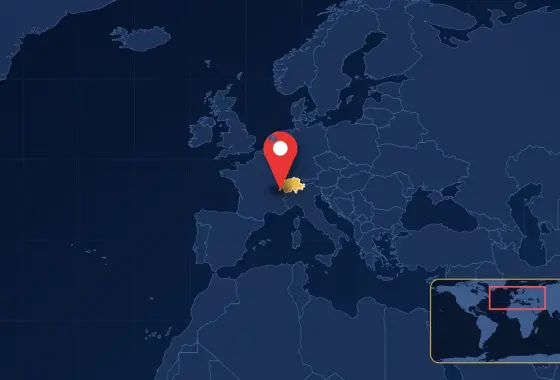
States meeting in Geneva agreed on Saturday, 21 November 2026, to “elaborate” within the next two years an instrument on lethal autonomous weapons systems powered by artificial intelligence, popularly known as “killer robots”. According to Al Jazeera, citing AFP, and to Anadolu Agency reporting from Geneva, the agreement came at the five-day seventh review conference of the Convention on Certain Conventional Weapons (CCW). The decision does not, however, include a mandate to negotiate a legally binding treaty.
The outcome is therefore being read in two ways. On one side, after more than ten years of discussion, a timetabled working mandate now exists for the first time. On the other, civil society groups and the International Committee of the Red Cross (ICRC) say that the mandate is neither urgent nor binding enough.
What was agreed?
According to Al Jazeera, the adopted text says states will “elaborate” an instrument on autonomous weapons over the next two years. The word “elaborate” was used instead of “negotiate” because some countries rejected the word “negotiate”. According to Anadolu Agency, the new two-year mandate allows a group of governmental experts to develop an instrument and to recommend its legal nature, that is, whether it should be a binding protocol. The process aims to decide which weapons can be banned under international humanitarian law and which can be permitted but regulated.
Why is decision-making slow?
Decisions under the CCW require the agreement of all member states. This rule means that the objection of a single country can stop progress. Al Jazeera reports that Russia’s procedural objections led to some formal sessions being called off and that talks on the final wording ran overnight. The report says that major arms-producing nations, including the United States, Russia and Israel, opposed the push for binding rules. By contrast, nearly 100 countries pressed for the swift adoption of legally binding rules.
Who said what?
The Swiss diplomat who presided over the conference said that more than ten years of talks produced “a significant step for humanitarian disarmament”. The two sources spell the diplomat’s name differently, so it is not given here. Izumi Nakamitsu, the UN High Representative for Disarmament Affairs, called the outcome a “significant achievement” but noted its limits, saying the path to, or the possibility of, a legally binding instrument is “still open”. She also expressed disappointment that procedural disagreements blocked a review of the convention’s implementation. UN Secretary-General António Guterres had sought a legally binding instrument negotiated and concluded by the end of 2026.
Civil society’s reaction
Nicole van Rooijen, executive director of the Stop Killer Robots coalition of about 300 organisations, called the mandate “watered down” and said that delaying a legally binding instrument puts civilians and humanity at risk. Verity Coyle of Human Rights Watch said the outcome was disappointing and does not provide the urgent action needed to agree new rules. The ICRC said it regretted that the conference failed to agree to a clear and immediate negotiation mandate for a legally binding instrument, and urged a binding instrument that prohibits unpredictable autonomous weapons and systems that directly target humans and restricts other autonomous weapons. The ICRC also pointed to a resolution approved last month in the First Committee of the UN General Assembly, backed by 163 states, calling for negotiations.
What is the CCW?
The Convention on Certain Conventional Weapons is a framework agreement adopted in 1980 to restrict weapons that may cause excessive injury or have indiscriminate effects. Over time it has been extended by protocols, for instance on blinding laser weapons. The question of autonomous weapons has been discussed within this framework for years in a group of governmental experts. Because decisions depend on consensus, the framework is both flexible and slow. Al Jazeera writes that 128 countries took part in the Geneva talks; Anadolu Agency gives no figure.
Why does it matter?
Autonomous weapons cover systems that can select and attack targets without direct human intervention. There is debate over whether such systems can comply with the principles of distinction, proportionality and accountability under the law of war. The opposing view is that, used correctly, these technologies could reduce errors, which is why some states prefer a more flexible regulation to an outright ban. The picture relayed by the two sources shows that the process is still shaped by the tension between these two approaches. This assessment is general background; the sources do not offer a detailed legal analysis.
What does “autonomous weapon” mean?
The phrase “killer robots” used in conversation is not a technical term; within the convention these systems are called “lethal autonomous weapons systems”. The core debate centres on how large a role a human should play in the decision to select and strike a target, and what the expression “meaningful human control” covers. Some countries argue that existing humanitarian law is sufficient, while others say the speed of artificial intelligence makes applying that law harder. The sources do not relay the details of this debate; the explanation above is general background. The Geneva decision does not answer these questions; it only sets a two-year working timetable.
What should be watched?
Several points will be worth following: when and with what membership the group of governmental experts will begin its work, what it will recommend on the legal nature of the instrument, and whether a binding protocol stays on the agenda. It will also be watched whether support for negotiations at the UN General Assembly turns into a separate negotiating process outside the CCW. The figures and statements in this report are given as the sources relayed them; the full text of the adopted document does not appear in the sources.
What does this mean?
In the short term, the decision opens an official, timetabled path of work on autonomous weapons, but it does not guarantee a binding ban or restriction. The position of the major arms-producing states appears likely to shape the final result. In the medium term, whether a legally binding instrument can be reached will depend on the scope of the work leading towards 2028 and on the flexibility of the parties. These readings may change as the process develops.
This report was compiled as of 21 November 2026, 19:30 Türkiye time; figures and details may differ between sources and should be followed as developments are updated.
Frequently asked questions
What was decided in Geneva?
States agreed to “elaborate” an instrument on lethal autonomous weapons systems within two years, that is, by about 2028.
Is the decision binding?
No. It does not include a mandate to negotiate a legally binding treaty; the legal nature of the instrument was left to the experts’ recommendation.
Which countries opposed binding rules?
According to Al Jazeera, major arms-producing nations including the United States, Russia and Israel opposed the push for binding rules.
What did the ICRC say?
It regretted that the conference failed to agree to a clear and immediate negotiation mandate for a legally binding instrument.
Sources and further reading
- Al Jazeera (Staff and AFP), “Nations agree to ‘elaborate’ on rules for AI-run ‘killer robots’ by 2028”, 21 November 2026.
- Anadolu Agency, “UN sees progress on autonomous weapons regulation despite lack of binding treaty mandate”, 21 November 2026.


Leave a comment
Your email address will not be published. Required fields are marked *