



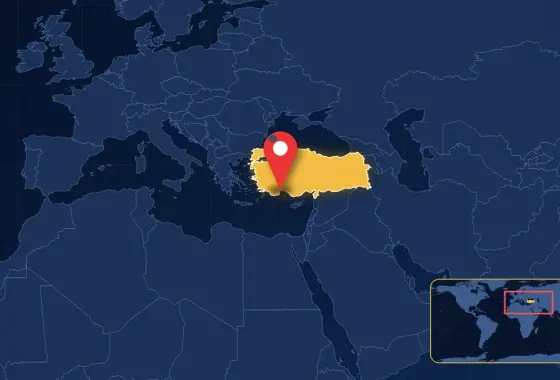
The COP31 United Nations climate summit in Antalya, Türkiye, did not finish on its scheduled last day, Friday, 20 November 2026. According to Al Jazeera, nearly 200 countries are deadlocked over a draft that no longer mentions fossil fuels. Euronews wrote that negotiators are struggling over fossil fuels and climate finance. A late closing session on Friday approved only some technical matters; the broader political deal was postponed.
COP31 President and Turkish Environment, Urbanisation and Climate Change Minister Murat Kurum told the plenary, “We are close to the finish line, but we are not there yet.” A third draft is expected on Saturday, 21 November. This report is based on the two sources’ accounts of 20–21 November and was written without knowing what that draft contains.
What changed in the draft?
According to Al Jazeera and Euronews, the process began with an opening draft released on Monday, 17 November, by Australia, the co-host and lead negotiator. That text called for a faster phase-out of fossil fuels. A slimmer version released on Thursday, 19 November, removed every mention of fossil fuels. Al Jazeera writes that this followed objections from Saudi Arabia and other major oil and gas producers; Euronews, without naming a country, says the second version removed all mentions and sent negotiators back to the table. Oil producers are recalled as having resisted similar language at COP28 in 2023.
What is the European Union saying?
The European Union said the draft, as it stands, risks turning this climate COP into “a fossil summit”. According to Euronews, France and Panama were among the countries that shared a letter on Friday insisting on “a clear transition away from fossil fuels”; Al Jazeera writes that Panama signed the letter with about a dozen other countries. Panama’s environment minister, Juan Carlos Navarro, said it is “not acceptable” to have a COP or a cover document that does not even mention fossil fuels, and warned that Panama could walk away from the talks. According to Euronews, he also accused a “petroleum mafia” of blocking progress.
What do other countries want?
Vanuatu’s climate minister, Ralph Regenvanu, said his country wants the references to “false solutions” removed from the text. Ghana’s environment minister, Zanetor Agyeman-Rawlings, reacted to rich countries falling short on climate finance, saying, “We didn’t come here to beg.” Euronews reports that OPEC Secretary General Haitham al-Ghais met Russia’s climate envoy, Ruslan Edelgeriev, at COP31, and that OPEC’s post on X referred to “inclusive and balanced approaches”. Australian Climate Minister Chris Bowen said he would work “for as long as it takes, to get the job done”.
Other issues in the draft
According to Al Jazeera, the draft proposes raising electricity’s share of global final energy consumption to 35 percent by 2035. The text does not say that the power must be renewable, and some countries want the word “clean” added. Some countries also object to expanding carbon capture technology, which they call costly and unproven and a route for polluters to keep burning oil and gas. On adaptation finance, the revised text dropped a target of 120 billion dollars for helping poorer countries adapt to climate change. Developing countries are angry that rich nations are falling short on their climate finance commitments.
The background to the summit
The summit is taking place under the Paris Agreement of 2015 and its goal of keeping global warming to 1.5 degrees Celsius. Al Jazeera notes that a UN report last month showed that the world is set to pass the 1.5-degree limit. The United States, historically the largest emitter, is absent for a second year after President Donald Trump ended climate cooperation. The sources also note that the war involving the United States, Israel and Iran, and higher living costs, have drawn attention away from the talks. Environmental groups see the meeting as lacking ambition; Al Jazeera writes that groups including Power Shift Africa’s Mohamed Adow said it is on track to be the “worst COP ever”.
Why does the COP28 wording matter?
For a long time fossil fuels were a closed subject in climate negotiations. The COP28 decision in 2023 included, for the first time, the wording “transitioning away from fossil fuels in energy systems in a just, orderly and equitable manner”. For that reason, a draft that does not mention fossil fuels at all is, for many countries, a step backwards. For oil and gas exporters, on the other hand, the question concerns the future of their economies and revenue. Because decisions are taken by the agreement of all nearly 200 countries, the objection of a single country or a small group can hold up a text for a long time. This is why overtime sessions have become a familiar part of COPs.
Why do overtime sessions happen so often?
UN climate summits are planned on a two-week timetable, but because decisions must be taken by the agreement of all parties, the final day is often overrun. Negotiators usually spend the last two days working on new versions that show which country objects to which line of the previous draft. In this process, poor countries and small island states put weight on issues such as finance and loss and damage, while oil- and gas-producing countries try to limit the energy language. An extension is a sign that this bargaining is still going on, but it does not mean the outcome will be more ambitious; the sources make no prediction on this.
What should be watched?
Several points will be worth following in the coming hours: whether the third draft published on Saturday contains any wording on fossil fuels, whether Panama carries out its warning to leave the talks, and whether the adaptation finance target returns to the text. Whether the electricity-share target receives a “clean” or “renewable” qualifier, and how the language on carbon capture is shaped, will also determine the nature of any compromise. This information reflects the two sources’ accounts before Saturday; the final outcome is not yet known.
What does this mean?
In the short term, the extension prolongs a diplomatic test for Türkiye as host; the presidency is trying to bring different interests together in a single text. In the medium term, the fate of the fossil fuel language will determine the strength of the political signal on the Paris goals. For developing countries, finance commitments are at least as important as fossil fuel language for the feasibility of climate policy. These assessments, however, depend on how the negotiations unfold and may change once the final text is published.
This report was compiled as of 21 November 2026, 19:30 Türkiye time; figures and details may differ between sources and should be followed as developments are updated.
Frequently asked questions
Why did COP31 overrun?
Nearly 200 countries could not agree on a draft that no longer mentions fossil fuels, nor on climate finance; the late session on 20 November approved only technical matters.
Why were fossil fuels removed from the draft?
According to Al Jazeera, the slimmer draft of 19 November removed the references after objections from Saudi Arabia and other major oil and gas producers.
What did Panama say?
Environment Minister Navarro said a text that does not mention fossil fuels at all is unacceptable and that Panama could walk away from the talks.
What happens next?
A third draft is expected on Saturday, 21 November.
Sources and further reading
- Al Jazeera, “Fossil fuel talks deadlock pushes COP31 climate summit into overtime”, 20 November 2026.
- Euronews, “Fossil fuel row sees COP31 talks spill into overtime”, 21 November 2026.

Leave a comment
Your email address will not be published. Required fields are marked *