



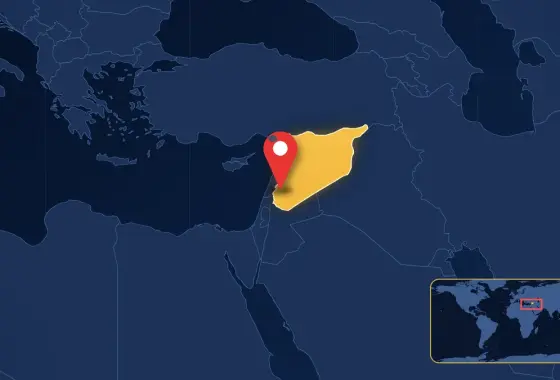
The United Nations says nearly 4 million Syrians have voluntarily returned home since the government of Bashar al-Assad was toppled in December 2024. According to UN News and Middle East Monitor (citing Anadolu Agency), UN Assistant Secretary-General for Humanitarian Affairs Mohamed Yahya shared the figure in a briefing to the Security Council on Monday, 16 November. The figure covers both refugees abroad and people displaced inside the country.
Yahya spoke on behalf of UN relief chief Tom Fletcher. Saying that Syria shows “undeniable signs of progress” nearly two years after the fall of the Assad government, Yahya nevertheless warned that the humanitarian situation is not improving: “Returns do not mean humanitarian needs have ended. For many families, return marks the beginning of a new struggle.”
What are the latest return figures?
According to Yahya, since the Security Council’s October meeting 60,000 internally displaced people have returned home, two-thirds of them leaving camps. Over the same period 18,000 refugees also returned to the country. Even so, more than 730,000 people still live in camps. Nearly 200,000 displaced people and returnees live in damaged shelters.
During the Syrian civil war more than 6 million Syrians fled the country and millions more were displaced internally. Türkiye became the country hosting the largest number of Syrian refugees, while Lebanon, Jordan, Iraq and Germany also hosted large Syrian populations. After Assad was toppled, returns from these countries accelerated.
Why is the picture worrying ahead of winter?
According to UN figures, around 2.4 million people are expected to need extra assistance this winter. The winter response plan targets more than 970,000 of the most vulnerable people, but only 40% of it has been funded. Only one-third of the country’s overall humanitarian appeal has been met. The World Food Programme (WFP) is halving its food assistance programme, and the UN Population Fund (UNFPA) has closed 28 health facilities. Poliovirus was detected in two children in Deir ez-Zor. “Time is running out,” Yahya warned.
How big a threat is unexploded ordnance?
Explosive remnants of war remain one of the biggest dangers for returning families. According to the UN, in the month since the last briefing to the Council at least 30 people were killed by explosive remnants, 19 of them children. More than 80 people were injured, 35 of them children. More than 700,000 square metres of contaminated land were cleared in the first half of the year, but recent flash floods carried explosives into areas previously considered safe. Explosives also stop farmers from cultivating their land and communities from rebuilding.
Where does the political transition stand?
UN Deputy Special Envoy for Syria Claudio Cordone said, “Next month will mark two years since the opening of a new era in Syria,” and described the interim People’s Assembly as one of the key milestones of the transition. A draft law on transitional justice was formally submitted to the interim assembly last week. Cordone stressed that justice must not be selective and that accountability must apply “regardless of the perpetrators or the victims”. Saying that a permanent constitution and “credible, inclusive elections” need clear processes and timelines, Cordone added: “Time is ticking.”
Cordone recalled that, according to a World Bank estimate, rebuilding damaged physical assets alone will cost $216 billion. Saying that Israel’s military activities in Syria have “continued relentlessly in violation of Syria’s sovereignty and territorial integrity”, Cordone repeated the Secretary-General’s call to end violations of the 1974 Disengagement of Forces Agreement. Cordone also said the threat from Daesh “remains serious”; Syrian security forces said they had dismantled cells in Rankous, in rural Damascus, and in Aleppo.
Syrian human rights defender Hayma Alyousfi, who also spoke at the briefing, described how women who speak in public face sexualised threats online and coordinated campaigns to discredit them. Alyousfi urged the authorities to suspend Assad-era laws restricting freedom of expression and assembly, saying: “A transition that excludes women cannot deliver the future that Syrians deserve.”
What does this mean?
The figure of nearly 4 million returns is an important sign that Syria is on the road to recovery after more than a decade of war. But many returning families face destroyed homes, unexploded ordnance, limited health services and few job opportunities. If the gap in humanitarian funding is not closed, it may become harder for returns to last, and some families may be displaced again. This picture also matters for neighbouring countries such as Türkiye that host Syrian refugees: whether voluntary and safe returns continue depends largely on how quickly reconstruction, security and basic services can be provided in Syria.
This report was compiled as of 17 November 2026, 19:15 Türkiye time; follow developments as they are updated.
Frequently asked questions
How many Syrians have returned home?
According to the UN, nearly 4 million Syrians have voluntarily returned home since December 2024; the figure covers refugees and internally displaced people.
How many people will need help this winter?
The UN said about 2.4 million people will need extra help this winter, while only 40% of the winter plan has been funded.
How much will Syria’s reconstruction cost?
According to a World Bank estimate, rebuilding damaged physical assets alone will cost $216 billion.
Sources and further reading
- UN News, “Syria: Progress ‘real’ but fragile, as remnants of war wreck young lives”, 16 November 2026.
- Middle East Monitor (Anadolu Agency), “UN says nearly 4M Syrians have returned home since Assad’s fall, but needs remain acute”, 16 November 2026.


Leave a comment
Your email address will not be published. Required fields are marked *