



What exactly did Germany and Austria demand?
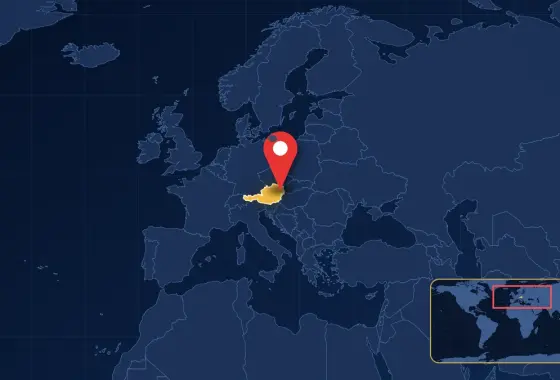
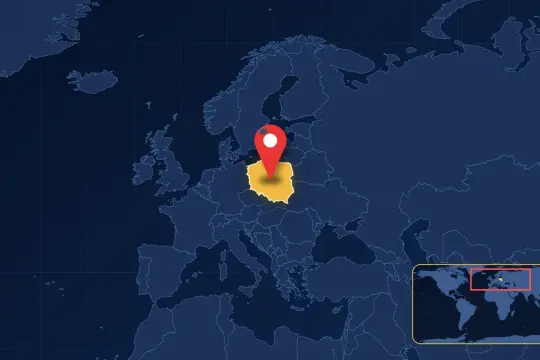
Germany and Austria, in a joint statement on Thursday 26 November, called for TikTok’s European business to be placed under a European ownership structure, with European responsibility for the platform’s key technological infrastructure, from the recommendation algorithm to data access. The call came after a meeting in Vienna between Germany’s culture and media minister Wolfram Weimer and Austria’s digital state secretary Alexander Proell.
Weimer said the China-based social media platform poses "fundamental security policy risks for Europe". In their joint statement, the two ministers stressed that regulation alone does not answer "the basic question of who actually controls the platform".
What is the reasoning behind the demand?
Proell said, "TikTok is no longer a toy, but part of the infrastructure of our democracy. This infrastructure must not remain in the hands of a geopolitical systemic rival." This shows that the two countries’ objection is not only about content moderation but about who controls the platform’s core technical infrastructure.
On 6 November, TikTok was preliminarily found to be in breach of the EU’s Digital Services Act (DSA) over how its recommender system exposes users to potentially harmful content. Weimer and Proell argued that even this regulatory finding does not answer the basic question of who actually controls the platform.
What was the precedent in the United States?
TikTok’s Chinese parent company ByteDance, in January, ceded control of the platform’s US operations to a majority American-owned joint venture in response to a threatened ban in the United States. The German-Austrian proposal is built on the idea that Europe should follow this "American example".
Weimer said in May that he was "firmly convinced that Europe should follow the American example and that the company’s ownership structure must be put up for discussion"; in February he had proposed transferring TikTok’s European business to a consortium of local media companies.
How did TikTok respond to the proposal?
TikTok rejected the proposal as having "zero merit", arguing it ignored existing European laws including the Digital Services Act and GDPR, as well as the company’s 12-billion-euro data security programme, Project Clover.
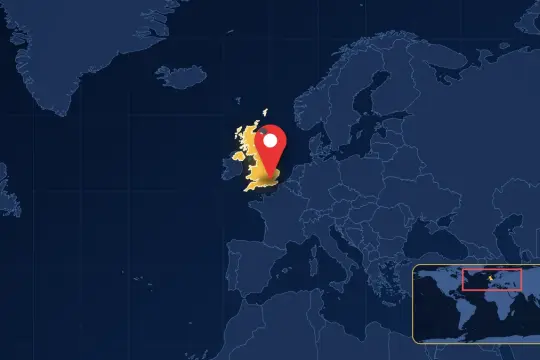
The company also said its European operations are run by companies incorporated in Ireland and Britain and are subject to European law, while parent company ByteDance is majority-owned by global institutional investors and has no Chinese government ownership stake.
How will the process move forward?
Germany and Austria plan to seek EU-wide support for their proposal at a meeting of the Telecommunications and Energy (TTE) Council in Brussels on 2 December. For now, this remains a proposal from just two countries; there is no EU-wide decision or obligation for ByteDance to sell its European unit.
The European Commission said in May that its focus on the matter was compliance with the rules rather than ownership, meaning Berlin and Vienna’s proposal is not guaranteed automatic support in Brussels.
What is the background to this push?
TikTok is used by about 200 million people in Europe every month, making it one of the continent’s most widely used social media apps. Germany’s push is not new: Weimer first floated the idea in February 2026, repeated it in May, and turned it into a formal joint statement with Austria in November.
The two countries’ plans have not yet been placed on an official EU agenda, but Germany and Austria hope to win support from other European countries. This means the issue is one to watch over the coming months rather than a question likely to be settled quickly.
What steps have other European countries taken against TikTok?
Even before Germany and Austria, several European countries had voiced concerns over TikTok’s data security and content moderation; some had restricted the platform’s use on public employees’ official devices. But a call this explicit for changing the ownership structure directly marks a new threshold, set by the joint German-Austrian statement.
This shows TikTok has long faced regulatory pressure across the EU, but most steps so far have been limited to compliance with content and data-protection rules; Berlin and Vienna’s proposal stands apart by going beyond that framework to focus directly on ownership.
How large are ByteDance and TikTok on a global scale?
ByteDance is a Beijing-based technology company that operates TikTok as well as a similar short-video app called Douyin in China. With platforms reaching more than a billion users worldwide, the company is one of the biggest players in the global social media market.
The transfer of TikTok’s US operations to a local joint venture in January set a precedent showing the company can operate under different ownership and oversight models in different markets; Germany and Austria’s proposal essentially asks for that model to be adapted for Europe.
Who are Weimer and Proell?
Wolfram Weimer serves as Germany’s minister of state for culture and media, responsible for media and cultural-industry policy as well as digital platform regulation. Alexander Proell is Austria’s state secretary for digitalisation, leading the country’s digital policy agenda.
The two officials issuing a joint statement shows the issue is not just one country’s domestic politics, but an attempt by two neighbouring German-speaking countries to form a common line on digital sovereignty.
Germany’s push on this issue has become a recurring theme throughout Weimer’s time in office, centred on digital sovereignty and media diversity; Austria formally joining the call gives the initiative political weight beyond Germany’s own borders.
What is the Digital Services Act (DSA)?
The EU’s Digital Services Act (DSA) is a regulation setting out rules that large online platforms must follow on harmful content, misinformation and user safety. It places extra transparency and risk-assessment obligations on platforms with very large user bases, such as TikTok.
On 6 November, TikTok was preliminarily found to have breached the DSA over how its recommendation algorithm exposes users to potentially harmful content; however, Germany and Austria argue that this regulation does not resolve the question of the platform’s ownership structure.
What is TikTok’s current European structure and Project Clover?
TikTok argues that its European operations are run through companies incorporated in Ireland and the UK, and are therefore subject to European law, including the DSA and GDPR. According to the company, parent firm ByteDance is majority-owned by global institutional investors, with no ownership stake held by the Chinese government.
Project Clover is TikTok’s 12-billion-euro data security programme aimed at storing European users’ data within Europe and limiting outside access. The company argues that Germany and Austria’s proposal overlooks this existing security investment.
What does this mean?
The joint call from Germany and Austria shifts the debate over TikTok’s future in the EU from content moderation to ownership structure. TikTok’s sharp rejection of the proposal, and the European Commission’s earlier statement that it prioritises compliance over ownership, suggest this initiative is unlikely to quickly turn into a concrete EU-wide decision; the 2 December TTE Council meeting will be the next milestone to watch.
This report was compiled as of 27 November 2026, 19:30 Türkiye time; figures and details may differ between sources and may be updated as events develop.
Frequently asked questions
What exactly do Germany and Austria want from TikTok?
They want TikTok’s European business placed under European ownership, with European responsibility for key technology including the recommendation algorithm.
Did TikTok accept the proposal?
No; the company rejected it as having "zero merit" and said it already complies with existing European laws.
Is this an EU decision?
No, for now it is a joint proposal from just two countries; they will seek support from others at the 2 December TTE Council meeting.
What happened to TikTok in the US?
In January, ByteDance ceded control of TikTok’s US operations to a majority American-owned joint venture in response to a threatened ban.
Sources and further reading
- Euronews (Jonathan Benton & AFP), “Germany and Austria push for European ownership of TikTok”, 27 Kasım 2026.
- Almanya Federal Hükûmeti (bundesregierung.de), “TikTok europäisch denken: Start für eine europäische Initiative aus Deutschland und Österreich”, 18 Kasım 2026.
- Avusturya Federal Başbakanlığı (bundeskanzleramt.gv.at), aynı ortak bildiri, 18 Kasım 2026.
Cite this article
Use this article as a source in your work, assignment or blog:
YulaHub Editorial Team. (27 November 2026). Germany and Austria Call for European Ownership of TikTok. YulaHub. https://yulahub.com/en/germany-and-austria-call-for-european-ownership-of-tiktok
YulaHub Editorial Team. "Germany and Austria Call for European Ownership of TikTok." YulaHub, 27 November 2026, https://yulahub.com/en/germany-and-austria-call-for-european-ownership-of-tiktok.
<a href="https://yulahub.com/en/germany-and-austria-call-for-european-ownership-of-tiktok">Germany and Austria Call for European Ownership of TikTok</a> (YulaHub)
Leave a comment
Your email address will not be published. Required fields are marked *