



What happened?
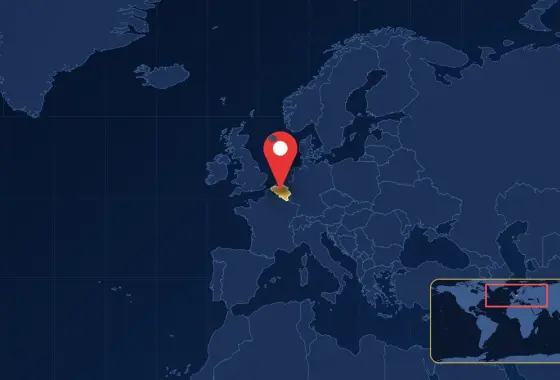
Heads of state and government of the European Union’s 27 member states gathered in Brussels on Thursday, 26 November for a special European Council summit. According to Euronews’ morning programme Europe Today, two heavy items topped the agenda: the bloc’s seven-year budget for 2028-2034 and Ukraine’s funding gap for 2027.
The meeting ran past midnight into the morning of 27 November because of deep-rooted disagreements among the parties. A headline published at 01:16 on Euronews’ "just in" feed said the summit unfolded amid "a lot of political theatre" and ended in disarray as leaders clung to their red lines.
Alongside the summit, Latvian Prime Minister Andris Kulbergs and European Parliament member Michał Szczerba gave Euronews their assessments of how to find the funding Ukraine needs to keep fighting.
Why is the budget so contentious?
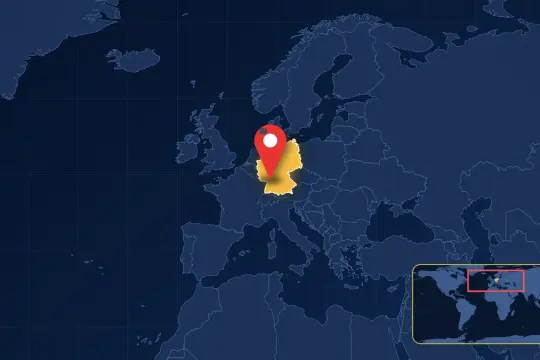
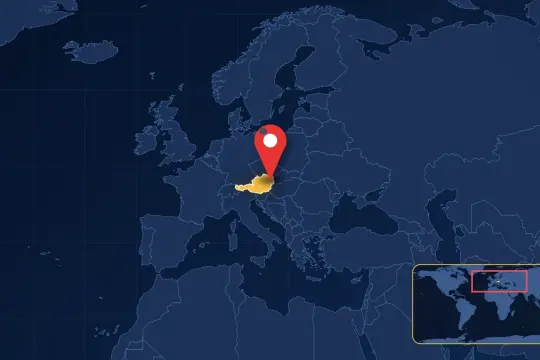
At the previous regular summit in October 2026, leaders failed to agree on the bloc’s roughly 2 trillion euro budget proposal. A group of six "frugal" countries led by Germany, including the Netherlands, Austria, Denmark, Sweden and Finland, wants a smaller budget, while a 17-country group known as the "Friends of Cohesion", including Italy and Spain, is demanding that farm subsidies and regional development funds be preserved.
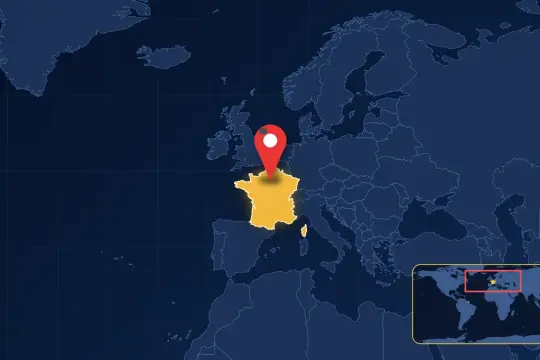
German Chancellor Friedrich Merz said after the October summit that leaders were "still very far apart". In France, far-right leader Marine Le Pen criticised the 100 billion euros planned to be set aside for Ukraine in the budget; such remarks show the budget fight has become a front line not only between member states but within each country’s own domestic politics.
The 26 November summit had been called specifically to resolve this dispute, but the outcome headline reported by Euronews shows it got stuck at the same point once again.
How large is Ukraine’s funding gap?
The EU approved a 90 billion euro interest-free loan for Ukraine covering 2026-2027 in December 2025. But Ukrainian President Volodymyr Zelensky asked for an additional 70 billion euros (about 79 billion dollars) for 2027 at the October 2026 summit, putting the country’s total 2027 war and defence needs at 155 billion euros.
At that summit leaders not only failed to agree on the budget, they also found no firm way to close this new 70 billion euro gap. The European Commission had been tasked with drafting concrete proposals, including the possible use of interest income from roughly 210 billion euros in frozen Russian central bank assets; the 26-27 November summit had been planned as the platform to weigh those proposals.
Hungary, Czechia and Slovakia are among the member states not taking part in the 90 billion euro loan approved for 2026-2027, showing that financial support for Ukraine is moving forward with a partial front rather than full consensus within the bloc. Hungarian Prime Minister Viktor Orban’s reluctant stance on this is known as another sticking point that has persisted for months.
Tension outside the summit as well
According to Euronews’ "just in" feed, Belgian farmers descended on Brussels with their tractors on the evening of 26 November to protest in defence of EU agricultural subsidies. The demonstration took place right outside the summit building and showed that budget constraints are unsettling not only governments but the sectors directly affected.
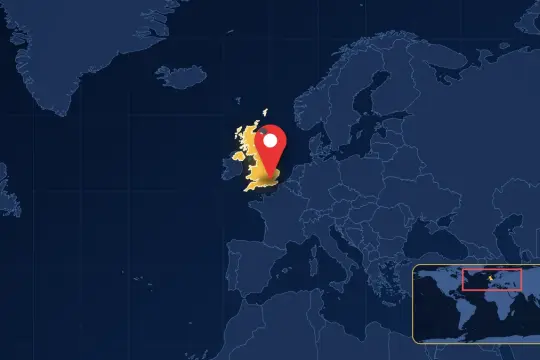
Euronews also reported the same day that the draft legal text of the UK-EU food trade deal carries an exit penalty clause, showing that the broader negotiating atmosphere in Brussels is not limited to the budget and Ukraine, but extends to similarly tough bargaining with the bloc’s outside partners.
What comes next?
The summit ending in disarray means the seven-year budget talks will carry over to the regular EU Council summit in December. How much leaders can move from their red lines by then remains uncertain. Diplomatic sources say intensive bilateral talks between capitals will continue until the next summit, though largely out of public view.
The European Commission is expected to present a more concrete proposal for Ukraine’s 2027 funding needs. How that proposal handles frozen Russian assets, and whether the stance of member states not taking part in the loan changes, are among the items to watch in the coming weeks.
Diplomats in Brussels say that in the period until the December summit, the budget and Ukraine files will be treated not as separate matters but as two linked bargaining items, with a concession on one side expected to be met on the other.
How large is the budget?
The European Commission’s draft proposal for 2028-2034 envisages roughly 2 trillion euros in total spending, well above the roughly 1.2 trillion euros under the current 2021-2027 framework. The Commission justifies the increase with new priorities such as defence, competitiveness and support for Ukraine.
According to Courthouse News’ coverage of the October 2026 summit, positions among the parties have become so entrenched that a "landing zone" currently looks like a mirage, which explains why the 26-27 November special summit was seen as so critical.
Defence spending is also on the table
According to Europe Today, the summit’s budget debate is not limited to agriculture and regional funds; leaders are also discussing the bloc’s need to raise its own defence and competitiveness investment within the same seven-year framework. European Parliament member Michał Szczerba told Euronews his assessment weighed how Europe can fund its own defence while keeping Ukraine in the fight.
That balance collides directly with the "frugal" countries’ wish to shrink the budget: even those who want higher defence spending cannot agree on which budget line, or whose contribution, should cover it. That is why the 26-27 November summit ended up entangled in several overlapping disputes rather than a single issue.
How do European Council summits work?
The European Council is the EU’s top decision-making body, bringing together the heads of state and government of the 27 member states, chaired by Council President António Costa. Regular summits are held at least four times a year; extra meetings, like this special one, can be called over major disputes such as the budget or Ukraine.
The seven-year budget, known as the Multiannual Financial Framework (MFF), requires unanimity, meaning a single member state’s veto can stop the whole package. That is why negotiations often turn into last-minute bargaining that runs past midnight.
Who are the "frugal six" and the "Friends of Cohesion"?
A group led by Germany, including the Netherlands, Austria, Denmark, Sweden and Finland, is known as the "frugal" countries seeking to limit growth in the EU budget. These states are net contributors to the budget and want spending kept in check.
A group of 17 countries, mostly from southern and eastern Europe and including Italy and Spain, known as the "Friends of Cohesion", wants agricultural subsidies under the Common Agricultural Policy and regional development funds kept intact. The gap between the two blocs resurfaces in every round of budget talks.
What does this mean?
The special Brussels summit ending without a deal shows the EU is struggling to shape both its own seven-year budget and its financial support for Ukraine at the same time. Leaders sticking to their red lines means the matter moves to the December summit and a firm outcome is delayed by at least another month. This assessment rests on the reported coverage; the course of the talks could change quickly.
This report was compiled as of 27 November 2026, 09:00 Türkiye time; figures and details may differ between sources and may be updated as events develop.
Frequently asked questions
Was a deal reached at the summit?
According to reports, no; the summit ended in disarray and uncertainty as leaders stuck to their red lines, with no firm timetable announced.
How large is Ukraine’s 2027 funding gap?
Zelensky asked for at least 70 billion euros on top of the existing 90 billion euro loan, putting total 2027 needs at 155 billion euros.
What period will the EU’s new budget cover?
The budget under discussion covers the 2028-2034 period.
Will frozen Russian assets be used?
That has not been decided yet; the European Commission is expected to prepare a concrete proposal on this.
Sources and further reading
- Euronews, “Europe Today: EU leaders in Brussels for budget talks and Latvian PM Kulbergs on Euronews”, 26 Kasım 2026.
- Euronews, “‘A lot of political theatre’: EU summit ends in disarray as leaders cling to red lines”, 27 Kasım 2026.
- Euronews, “EU summit exposes rifts as leaders struggle for breakthroughs on budget”, Ekim 2026.
- Al Jazeera, “EU rallies in support of Ukraine amid Trump standoff”, 16 Ekim 2026.
Cite this article
Use this article as a source in your work, assignment or blog:
YulaHub Editorial Team. (27 November 2026). EU Summit in Brussels Ends Without a Deal on Budget and Ukraine Funding. YulaHub. https://yulahub.com/en/eu-summit-in-brussels-ends-without-a-deal-on-budget-and-ukraine-funding
YulaHub Editorial Team. "EU Summit in Brussels Ends Without a Deal on Budget and Ukraine Funding." YulaHub, 27 November 2026, https://yulahub.com/en/eu-summit-in-brussels-ends-without-a-deal-on-budget-and-ukraine-funding.
<a href="https://yulahub.com/en/eu-summit-in-brussels-ends-without-a-deal-on-budget-and-ukraine-funding">EU Summit in Brussels Ends Without a Deal on Budget and Ukraine Funding</a> (YulaHub)
Leave a comment
Your email address will not be published. Required fields are marked *