




Where and how did the strike begin?
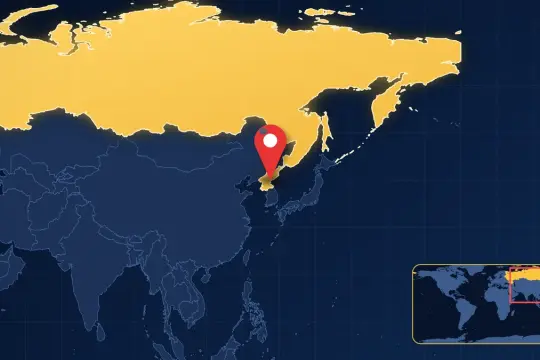
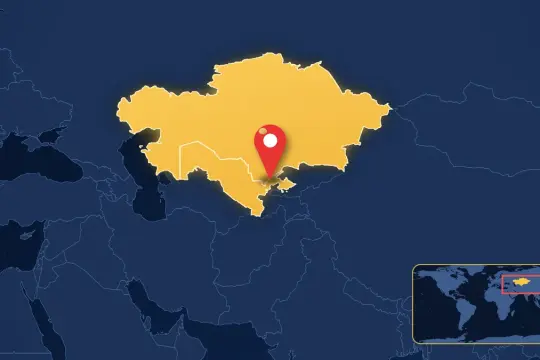
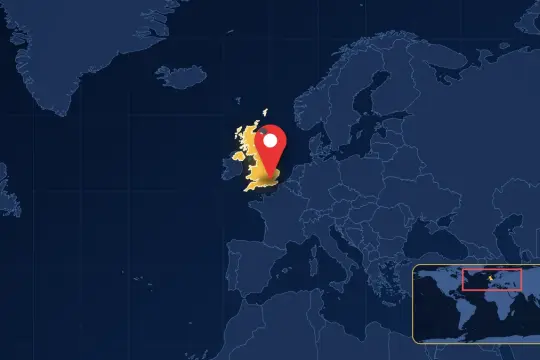
Workers from countries around the world, including France, Poland, the UK, the US, Japan, Brazil and South Africa, staged a global strike at their Amazon workplaces demanding better wages and labour rights. The strikes run from Black Friday through Cyber Monday, the busiest shopping period of the year for the retail giant.
This marks the seventh consecutive Black Friday on which the action has taken place; 50 organisations, including trade unions, environmental movements and tax justice campaigners, launched the "Make Amazon Pay" strike wave. During the action, Amazon warehouses, delivery stations and offices are running at a slower pace in several countries.
What concretely happened in each country?
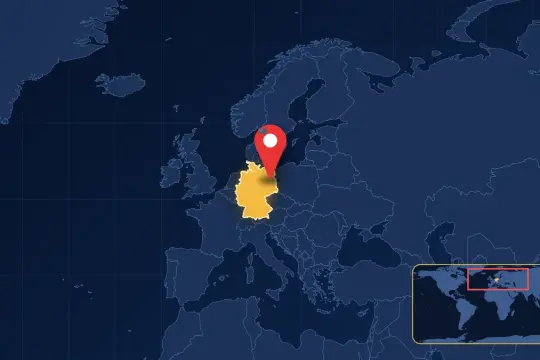
In Germany, the United Services Union (ver.di) called for strikes at 11 Amazon workplaces on Friday, while unions managed to organise action in at least 23 locations across India. At an Amazon facility in Frankenthal, Germany, 150 employees stopped work for 24 hours, demanding reduced performance pressure and inclusion in a collective agreement.
In a statement reported by Sky News, the United Services Union said: "Despite massive intimidation, Amazon employees are striking for recognition of the collective agreements for the retail sector and a collective agreement on good and healthy work."
What exactly are the workers demanding?
Some demands have gone unmet for years. In Bangladesh, workers have been demanding since the 2013 Rana Plaza disaster, which killed more than a thousand workers, that Amazon sign binding safety agreements. Bangladeshi workers are also protesting pay levels, receiving €128 a month against the €220 their unions are demanding, according to the left-wing political group Progressive International, which organised the protest movement; the gap also represents a significant shortfall against subsistence living standards in Bangladesh.
Progressive International coordinator Varsha Gandikota-Nellutla said in a statement: "Amazon is building a future in which fewer workers produce ever greater profits under ever tighter surveillance," a statement that reflects the organising group’s own view of the dispute.
Are other e-commerce companies facing similar actions?
The Make Amazon Pay campaign is primarily targeted at Amazon, but unions and labour movements have in recent years organised similar actions with comparable demands at other major e-commerce and logistics companies, including some global players in the parcel and delivery sector.
Analysts attribute Amazon’s particular status as a target to the fact that its market share and public visibility in the sector are far higher than those of its competitors, which makes it a symbolic target for labour movements.
How did Amazon respond to these claims?
An Amazon spokesperson told Sky News: "The fact is at Amazon we provide great pay, great benefits and great opportunities — all from day one." The spokesperson said the company directly employs more than 1.5 million people worldwide and provides a "modern, safe and engaging" workplace, whether in an office or at one of its operations buildings.
Amazon’s response does not directly refute the unions’ and campaign groups’ claims, but instead sets out a framework defending the company’s overall employment policy. The gap between the two sides’ narratives reflects a pattern often seen in this kind of annual action.
How do strikers view the risk, and is the action legal?
While such demonstrations are legal in most countries, some workers feel that joining the strikes could have consequences for them. Magda Malinowska, from the Polish labour union Inicjatywa Pracownicza, told EUobserver: "We have had other demands for a million years, but they will hardly be listened to if we cannot strike."
Malinowska added: "We want to make Amazon start paying for the costs linked with its revenues." These statements reflect a broader critique of the company’s growth model that goes beyond the strikers’ short-term demands.
What is the history of the "Make Amazon Pay" movement?
The Make Amazon Pay coalition first emerged in 2019 with small-scale actions in a handful of European countries before growing into a global alliance over time. The movement calls for action each year to coincide with the Black Friday period, since that is when Amazon’s sales and public visibility are at their highest.
Organisations coordinating the campaign, including UNI Global Union and Progressive International, have expanded the movement over the years by increasing the number of participating countries; this year’s action is, according to organisers, the seventh consecutive one, with the number of participating countries now exceeding 20.
Why is a sector-wide collective agreement in retail so contentious?
In countries such as Germany, sector-wide collective agreements for retail are a long-established tradition; yet Amazon has never formally signed such an agreement in any country since its founding. Unions see the company’s continued reliance on its own wage policies as a strategy that weakens workers’ collective bargaining power.
Amazon, for its part, argues that its own pay policies are already above the sector average, and that it therefore sees no need for a separate collective agreement. This gap in views explains why years of negotiation attempts have failed to reach a conclusion.
How does Amazon’s size shape this dispute?
Amazon employs more than 230,000 people in Europe, mostly working in packing and delivering orders. In 2026, the company earned €678 billion in revenue, making it the world’s second most important company after JPMorgan Chase in terms of sales, profits and market value.
This scale is cited as one of the main reasons strikers target Amazon: as the company’s weight in the global economy grows, criticism of its working conditions is seen as gaining broader international visibility as well.
How does the Black Friday rush amplify the strike’s impact?
Black Friday and the Cyber Monday that follows are known as the busiest period of Amazon’s annual sales; as a result, any slowdown at warehouses and delivery stations puts far more pressure on the company’s operational capacity than at other times of year. Unions openly say they time their action to coincide with this period deliberately.
Amazon, however, maintains, as it has in similar actions in previous years, that orders are largely delivered on time and that the strikes do not significantly affect overall operations. Independent observers note that verifying this claim would require the company’s delivery data, which Amazon does not share with the public in detail.
What does this mean?
Now in its seventh year, the "Make Amazon Pay" action shows that unions and campaign groups continue pressing for collective agreements and higher wages even during the company’s most profitable period of the year. The concrete strike numbers in Germany and India, together with Bangladesh’s long-unresolved safety demands, point to a dispute playing out simultaneously in both developed and developing countries. This assessment rests on the union and company statements reported by Euronews; how much the strikes affected Amazon’s Cyber Monday sales has not yet been independently confirmed.
This report was compiled as of 28 November 2026, 19:30 Türkiye time; figures and details may differ between sources and may be updated as events develop.
Frequently asked questions
Which countries does the Amazon strike cover?
Action took place in more than 20 countries, including France, Poland, the UK, the US, Japan, Brazil, South Africa, Germany and India.
What are the workers’ main demands?
Better pay, recognition of collective agreements, and in Bangladesh, binding safety agreements demanded since the 2013 Rana Plaza disaster.
How did Amazon respond to these criticisms?
A company spokesperson said Amazon provides "great pay, great benefits and great opportunities" from day one and directly employs more than 1.5 million people.
Sources and further reading
- Euronews, "Amazon workers rally for global labour strike across 20 countries", 28 November 2026.
- Reported by Sky News, Ver.di (United Services Union) statement, 28 November 2026.
- Reported by EUobserver, Polish union Inicjatywa Pracownicza statement, 28 November 2026.
Cite this article
Use this article as a source in your work, assignment or blog:
YulaHub Editorial Team. (28 November 2026). Amazon Workers Stage Global Strike Across More Than 20 Countries on Black Friday. YulaHub. https://yulahub.com/en/amazon-workers-stage-global-strike-across-more-than-20-countries-on-black-friday
YulaHub Editorial Team. "Amazon Workers Stage Global Strike Across More Than 20 Countries on Black Friday." YulaHub, 28 November 2026, https://yulahub.com/en/amazon-workers-stage-global-strike-across-more-than-20-countries-on-black-friday.
<a href="https://yulahub.com/en/amazon-workers-stage-global-strike-across-more-than-20-countries-on-black-friday">Amazon Workers Stage Global Strike Across More Than 20 Countries on Black Friday</a> (YulaHub)
Leave a comment
Your email address will not be published. Required fields are marked *