




Classical music can seem intimidating at first, but starting with the right works quickly wins people over. Here are five composers from different eras, with suggestions for where to begin.
1. Antonio Vivaldi (1678–1741)
An Italian master of the Baroque. His Four Seasons violin concertos describe nature in music, from spring birdsong to winter's chill. An ideal place to start.
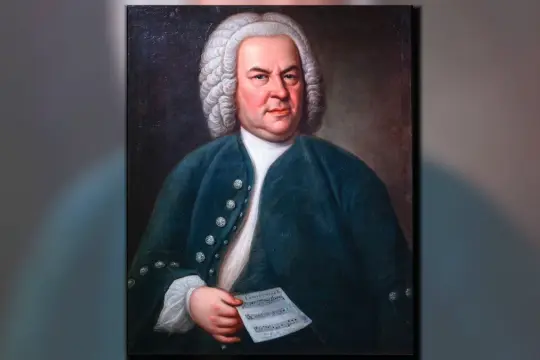
2. Johann Sebastian Bach (1685–1750)
Considered the summit of Baroque music. The Brandenburg Concertos and his cello suites bring mathematical order and emotion together.
3. Wolfgang Amadeus Mozart (1756–1791)
The genius of the Classical era, who began composing as a child. Eine kleine Nachtmusik and Symphony No. 40 are full of melodies you will recognise instantly.
4. Ludwig van Beethoven (1770–1827)
The composer who bridged the Classical and Romantic eras, and who kept composing even after losing most of his hearing. The opening of the Fifth Symphony and the Ode to Joy in the Ninth are among the best-known melodies in the world.
5. Frédéric Chopin (1810–1849)
The "poet of the piano" of the Romantic era. His nocturnes and waltzes show how deep the emotions expressed by a piano alone can be.
How to start listening
- Begin with short pieces or a single movement of a larger work.
- Listen to the same piece by different performers and compare.
- Set aside a few minutes to really listen, rather than using it as background music.
Knowing the periods: Baroque, Classical, Romantic and beyond
When listening to classical music, knowing which period a composer belongs to makes it easier to anticipate what you will hear in a piece. The Baroque period roughly covers 1600 to 1750; ornamented melodies, interweaving polyphonic textures and a continuous bass line are typical features. Vivaldi and Bach are the great names of this period. The Classical period runs from about 1750 to 1820; more balanced, clear and symmetrical structures come to the fore, and the symphony and sonata forms mature. Haydn and Mozart represent this period. The Romantic period covers most of the 19th century; emotion, personal expression, national melodies and growing orchestras take centre stage. Beethoven's late works form a bridge to this period. In the 20th century, very different paths opened up, from impressionism to modernism. These boundaries are not strict, but they help you find your way as you listen.
Get to know the orchestra: four instrument families
A symphony orchestra is made up of four main families of instruments. The strings consist of the violin, viola, cello and double bass and form the largest section of the orchestra; they carry most of the melodies. The woodwinds include the flute, oboe, clarinet and bassoon; these instruments add colour and character. The brass consists of the horn, trumpet, trombone and tuba and takes on the powerful, brilliant moments. The percussion provides rhythm and accents with the timpani, snare drum, cymbals and similar instruments. There are works written for people who want to learn the orchestra by ear. The English composer Benjamin Britten's The Young Person's Guide to the Orchestra, from 1946, introduces each instrument group in turn. Sergei Prokofiev's Peter and the Wolf, written in 1936, tells each character with an instrument and helps children and adults alike come to love the orchestra.
Symphony, concerto, sonata: the basic forms
Knowing the terms that come up often in concert programmes helps you understand what you will hear. A symphony is a large work written for the full orchestra, usually in four movements; the movements contrast with one another in speed and character. A concerto is a work in which a solo instrument and the orchestra converse; piano and violin concertos are the best known, and most have three movements. A sonata is usually written for a single instrument or for an instrument with piano. Chamber music covers works written for small groups such as the string quartet. Opera combines music, singing, staging and story. An overture is introductory music played before an opera or another work. Numbers in the titles of works, such as Op., or K. for Mozart, are the catalogue numbers that organise a composer's works.
More composers to add to your list
Once you know the first five composers, here are a few suggestions for widening the list. Joseph Haydn (1732–1809) is often called the father of the symphony because of his more than one hundred symphonies; the Surprise Symphony takes its name from a loud chord that suddenly arrives in the middle of a quiet movement. Pyotr Ilyich Tchaikovsky (1840–1893) is one of the most familiar composers in the world thanks to the melodies of his ballets Swan Lake and The Nutcracker. Claude Debussy (1862–1918) brought a new palette of colours to music with his piano piece Clair de lune and his impressionist sounds. Antonín Dvořák's New World Symphony draws on the years he spent in America. The short, familiar works of these composers make the move from the Baroque and Classical periods to the Romantic and modern world easier. Getting to know each new composer through one or two works is a good way to build a lasting listening habit.
Classical music in Türkiye and the Turkish Five
Western-style polyphonic music has a long history in Türkiye. The origins of today's Presidential Symphony Orchestra go back to the Mızıka-yı Hümayun, founded at the Ottoman court in 1826. In the Republican era, the composers known as the Turkish Five wrote works that brought folk melodies together with polyphonic music: Ahmed Adnan Saygun, Ulvi Cemal Erkin, Cemal Reşit Rey, Hasan Ferit Alnar and Necil Kâzım Akses. Saygun's Yunus Emre Oratorio, completed in 1942, is one of the best-known works of this generation. Erkin's orchestral piece Köçekçe presents traditional dance melodies with brilliant orchestration. Cemal Reşit Rey's operetta Lüküs Hayat stayed on stage for many years. Listening to these works shows that classical music does not belong to Europe alone and how different musical traditions can enrich one another.
Going to a concert: a few tips
Hearing classical music live is a very different experience from listening to a recording. Listening once to the works on the programme before the concert adds to the pleasure of meeting a familiar melody in the hall. Traditionally, people do not applaud between the movements of a multi-movement work; applause comes when the whole work has ended and the conductor lowers their arms. If you are not sure, watching the other listeners in the hall is a good guide. Putting your phone completely on silent and turning off the screen light during the concert is a sign of respect for both the musicians and the people around you. Many orchestras offer discounted tickets, open rehearsals or family concerts for young listeners and students. Some major orchestras also stream their concerts online. Watching one of these recordings before going to the hall is a good way to see how an orchestra works.
Sources and further reading
- Encyclopaedia Britannica, "Baroque music", "Classicism" and "Romanticism" (music) entries
- Presidential Symphony Orchestra of Türkiye, institutional history





Leave a comment
Your email address will not be published. Required fields are marked *