



What happened?
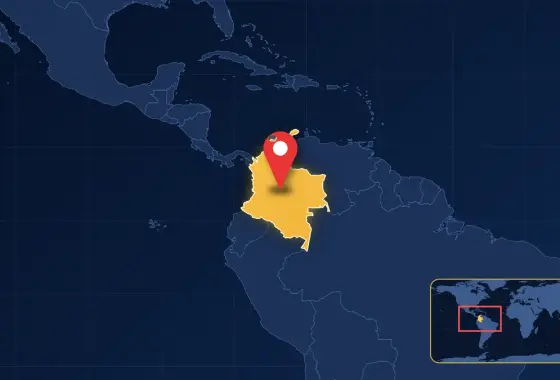
A car bomb exploded in Villavicencio, the capital of Meta department in central Colombia, on the night of Monday, 23 November 2026. According to Euronews, the blast took place in front of the department’s government headquarters, damaged the building and neighbouring structures and injured at least 24 people. Al Jazeera put the number of injured at “at least 23”; the small difference between the two sources shows that the toll shifted in the first hours.
Footage circulating on social media shows piles of rubble, wrecked vehicles and a large crater in the road. According to Euronews, no group has so far claimed the attack. Colombia’s president, however, blamed a branch of the armed group made up of former FARC members for it.
The report is being read against the background of rising armed violence in Colombia in recent months and the state’s hardening policy towards armed groups. Below, the details of the attack, statements by officials and the background are set out as far as the sources report them.
Details of the attack
According to what the head of national police operations told local media, initial tests indicate that the car was laden with between 80 and 100 kilograms of pentolite, a powerful explosive used in military warheads and also in civilian mining. This is one of the elements explaining the size of the attack and the extent of the surrounding damage.
After the attack the mayor of Villavicencio temporarily banned motorcycle traffic on the city’s key roads. Such measures are generally taken to prevent car-bomb and motorcycle-borne attacks. The Colombian army’s Seventh Brigade was also deployed to the area. The mayor’s office and the regional government announced rewards of up to 150 million Colombian pesos (about €38,000) for information leading to those responsible.
The attack targeted the department’s government building, which houses the governor’s office. The sources do not say how many people were in and around the building when the blast happened. There are no reports of deaths; the sources report only the number of injured and give no detailed information on their condition.
The president’s statements
President Abelardo de la Espriella travelled to Villavicencio at around 09:00 local time on Tuesday morning, held a security meeting and visited the site of the blast. According to Al Jazeera, the president claimed that a commander of the armed group known as the EMC, the “Central General Staff”, had planned the attack and that it was retaliation for government operations.
The president wrote on social media: “Narcoterrorism is desperate because we are confronting it resolutely. It seeks to intimidate us and force us to back down in order to pursue another false peace process.” In a later post he said he would “not back down or negotiate with criminals” and that he would use every tool granted by the constitution and the law to restore security.
In the sources these statements are presented as a reflection of the government’s policy of suspending negotiations with armed groups and increasing military pressure. The group the president named has neither confirmed nor denied the accusation; the sources report no such reply, and the accusation for now remains the government’s statement.
Meta department and the armed groups’ presence in the region
According to Al Jazeera, Meta department was historically one of the FARC’s strongholds. The FARC formally laid down its arms under the historic 2016 peace deal, but dissident groups that refused to disarm or later returned to arms have expanded their influence in the department in the years since. The department is described as a key access point to coca plantations, gold mining and smuggling routes towards the Amazon basin.
The most powerful group in the region is the EMC, made up of former FARC members; the government had earlier announced a bounty of 5 billion pesos (about $1.4 million) for the person who leads it. According to the sources the government has stepped up pressure on the EMC in recent months, bombing its camps and targeting senior members. The president had confirmed the killing of one EMC commander a day before the attack.
It drew attention that the attack came on the eve of the tenth anniversary of the 2016 peace deal. Experts say the attack shows that the risks to civilians are growing under the new government’s hard security strategy; in the sources this appears as a view attributed to experts.
The wave of violence in Colombia
Euronews writes that the attack came amid a wave of violence in the country. Various armed groups continued to operate in Colombia after the peace deal, and in recent times bombings and clashes have returned to the agenda. Euronews’s video report likewise stresses that armed violence is resurging in the country.
Such attacks occur in a period when the government is putting weight on military methods rather than negotiation with armed groups. According to the sources the new government adopted a security orientation aimed at tackling criminal organisations through military force and suspended the negotiations begun under the previous administration.
There are different views about the consequences of this policy: supporters stress resolve against armed groups, while critics say civilians are left at risk. This report takes no side in that debate and merely summarises the information given in the sources.
What happens next?
Officials are expected to continue the investigation to establish who carried out the attack. Because no one has yet claimed it, claims of responsibility and forensic findings may become clearer in the coming days. The reward announcement shows that the investigation relies on witnesses and tips.
On the country’s security agenda, an increased military presence in the Meta region, new operations against armed groups and the risk of new attacks may come to the fore. No firm plan has been announced in the sources; only the announced measures — the motorcycle ban and the deployment of the army to the area — are reported here.
This article may be updated as developments arrive. All information in this text rests on published sources; details not found in the sources have deliberately not been added.
A neutral view: what is known and what is not?
Known: on the night of 23 November 2026 a car bomb exploded in front of the department government building in Villavicencio; at least 23–24 people were injured; according to police the car carried 80–100 kilograms of pentolite; the president blamed the EMC; the municipality restricted motorcycle traffic and the army sent troops to the area.
Not known: which group carried out the attack has not been officially established; no one has claimed it. The sources contain no detail on the condition of the injured, the exact target of the attack or possible additional threats.
For that reason, the results of the investigation should be awaited before any firm judgment is made about who was responsible for the event.
What does this mean?
The Villavicencio attack shows that the tension in Colombia between the government’s hardening policy towards armed groups and the risk of retaliation by those groups can directly affect civilians. That it came on the eve of the tenth anniversary of the peace deal is also symbolically notable. Until claims of responsibility are confirmed, caution is needed; what will matter most are the results of the investigation and the government’s next steps. This assessment rests on the information in the sources and is not a firm forecast.
This report was compiled as of 25 November 2026, 09:00 Türkiye time; figures and details may differ between sources and should be followed as developments are updated.
Frequently asked questions
Where and when did the attack happen?
On the night of Monday, 23 November 2026 in Villavicencio, capital of Colombia’s Meta department, in front of the department government building.
How many people were injured?
Al Jazeera reported at least 23 and Euronews at least 24 injured; there are no reports of deaths.
Who claimed the attack?
No group has claimed it yet. The president blamed the EMC armed group; the accusation has not been confirmed.
What measures were taken?
The municipality banned motorcycle traffic on some roads, the army’s Seventh Brigade was sent to the area and a reward of up to 150 million pesos was announced for those responsible.
Sources and further reading
- Euronews, “At least 24 injured after car bomb detonates in central Colombia”, 24 November 2026.
- Al Jazeera, “Colombian president blames ex-FARC rebels for car bomb blast”, 24 November 2026.
- Euronews (video), “Colombia: at least 25 injured in bombing as armed violence resurges”, 24 November 2026.

Leave a comment
Your email address will not be published. Required fields are marked *