



What happened?
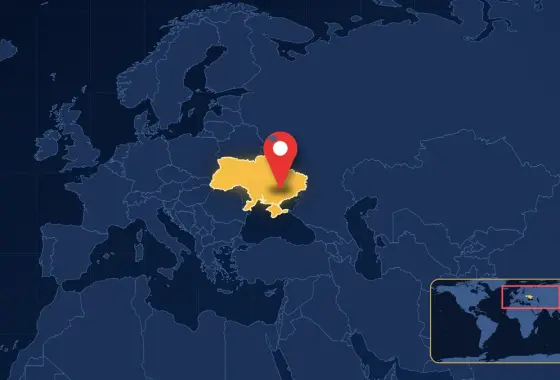
The United Nations Children’s Fund, UNICEF, said on 20 November 2026 that at least 1,144 children were killed or injured in Ukraine in the first ten months of 2026. The figure means verified child casualties have not been this high in any of the past three years. According to the UN Human Rights Monitoring Mission in Ukraine (HRMMU), at least 114 children were killed and 1,030 injured between January and October, an average of more than three children killed or injured every day.
The statement came in a press release UNICEF issued in Kyiv on 20 November, World Children’s Day, and UNICEF’s Louise Wateridge repeated the figure when briefing journalists in Geneva. Democracy Now reports that the data returned to the headlines on 24 November, right after a new attack on Zaporizhzhia. The figures in the report are cases verified by the UN; by the nature of verification procedures the real number may be higher.
According to UNICEF the attacks come from missiles and armed drones and threaten children in their homes, schools and areas far from the front line. Ukrinform, citing Reuters, reports that the UN said Russian attacks have intensified this year and that long-range weapons are the main cause of civilian deaths.
What do the figures say?
According to UNICEF, in October alone at least 146 children were killed or injured, a 150 percent increase on the same period last year. With two months of the year left, the number of children killed in 2026 has already exceeded the whole of 2025 by more than 20 percent, while the number injured has risen by almost 60 percent. This points to casualties accelerating towards the end of the year.
As reported by Reuters, the 1,144 total is just below the 1,386 recorded in 2022, the first year of the full-scale invasion. UNICEF says the figure could approach the 2022 level in the remaining two months. The sources stress that these comparisons rest only on verified cases.
According to a separate statement from Ukraine’s juvenile police, 771 children have been killed and 3,040 injured since the start of the full-scale war, and 55,847 children have been evacuated to safer regions. The same sources say 61,332 children reported missing have been found, while 2,358 are still missing. These numbers come from different institutions and should not be compared directly: the UN figures cover the verified 2026 period, the police figures the total since the start of the war.
Examples of severe attacks
The UNICEF release records that deadly attacks against civilians continued into November. On 2 November, a strike on a school compound in south-eastern Ukraine, including an underground shelter where humanitarian assistance was being distributed, reportedly killed 72 people, with four others still missing. On 13 November, attacks on Zaporizhzhia city reportedly killed a 17-year-old boy and injured eight other children.
Wateridge said the UN had verified around 270 attacks on education facilities this year. One was a kindergarten in Kyiv’s Solomianskyi district that was hit for the second time on 7 November; because the attack came overnight there were no deaths or injuries. Speaking in a televised briefing to journalists in Geneva from amid the playground wreckage, Wateridge said the children who came there should be learning their colours and numbers.
According to Democracy Now, Russian drone and missile attacks on Zaporizhzhia overnight on 23–24 November killed two people and injured more than 40, after a guided aerial bomb hit an apartment building near a bridge over the Dnipro. Because details of attacks can be reported differently by the parties, this report contains only what the sources relay.
Energy attacks and winter
UNICEF says verified attacks on energy infrastructure in 2026 are at their highest level since the start of the full-scale war, with 78 percent more attacks than in the whole of 2025. Scheduled outages lasting between 4 and 18 hours are in force across most regions, and in early November power cuts exceeded 12 hours. Heavy damage to heating and power plants is raising concern ahead of winter.
When power is cut, water may not reach homes, schools and health facilities, leaving children without safe water for drinking and hygiene and increasing the risk of disease. According to UNICEF, last winter nearly two million children were left without heat, electricity and water as temperatures fell below minus 20 degrees Celsius.
This information shows that child casualties are not limited to direct attacks and that infrastructure losses also have an indirect effect on health and education. The same subject was on the agenda of the United Nations Security Council session on Ukraine’s energy infrastructure.
What is UNICEF doing?
UNICEF is supporting district energy projects to maintain heating for around three million people in the hardest-hit municipalities. With partners it is installing alternative power sources in health facilities to keep essential maternal and child health services running, and solar power at critical water supply sites serving around 2.5 million people.
Together with the Ministry of Social Policy, winter cash assistance is being provided to more than 100,000 households in frontline regions. UNICEF and partners are also repairing damaged education facilities, rehabilitating school shelters, and providing learning, mental health and psychosocial support to children, young people and families.
Even so, UNICEF says children remain at the sharp end of unrelenting war, and it calls for the protection of civilians, including children, and the infrastructure they depend on, such as energy, heating and water systems, in accordance with international humanitarian law. It says safe and unimpeded humanitarian access across Ukraine, including occupied territories, remains critical.
The appeal from UNICEF’s representative
UNICEF Representative in Ukraine Anne-Claire Dufay said in the release that children have been paying an unacceptable price for this war for too long. Every child killed is a life and future lost, she said, and every child injured may face lasting physical and psychological consequences; children must be protected wherever they are.
Dufay said 20 November is World Children’s Day, when children’s rights should be celebrated, but that in Ukraine children continue to live in fear in their homes, neighbourhoods and the places where they should feel safe. These words appear as the official appeal reported in the organisation’s release.
This report relays only UN-sourced data and statements and does not enter into political debate over responsibility for the attacks. The sources say long-range weapons are the main cause of civilian deaths; Russia maintains that it does not target civilians.
What does this mean?
The data verified by the UN show that child casualties in Ukraine in 2026 have reached their highest level in recent years and, with two months left, are approaching the first year of 2022. Record attacks on energy infrastructure add a further humanitarian risk during the winter months. Because the figures cover only verified cases the real number may be higher. These readings rest on the information in the sources and are not firm forecasts.
This report was compiled as of 24 November 2026, 19:00 Türkiye time; figures and details may differ between sources and should be followed as developments are updated.
Frequently asked questions
What did UNICEF announce?
That at least 1,144 children were killed or injured in Ukraine in the first ten months of 2026, of whom 114 were killed and 1,030 injured.
Who verified the figure?
The figures rest on cases verified by the UN Human Rights Monitoring Mission in Ukraine (HRMMU); the real number may be higher.
How does it compare with 2022?
1,144 is just below the 1,386 recorded in 2022, the first year of the invasion; UNICEF says the 2022 level could be approached by the end of the year.
How do energy attacks relate to children?
Power and heating cuts disrupt water, health and education services; last winter nearly two million children were left without heat, electricity and water.
Sources and further reading
- UNICEF Ukraine, “Child casualties in Ukraine reach highest level in almost four years”, press release, 20 November 2026.
- Ukrinform (citing Reuters), “At least 1,144 children killed or injured in Ukraine in first ten months of 2026 – UNICEF”, November 2026.
- Democracy Now!, “UNICEF Says Russian Attacks Are Killing Three Children, on Average, Each Day in Ukraine”, 24 November 2026.
- Euromaidan Press, “Russia killed or injured 1,144 Ukrainian children in 10 months of 2026”, 21 November 2026.


Leave a comment
Your email address will not be published. Required fields are marked *