



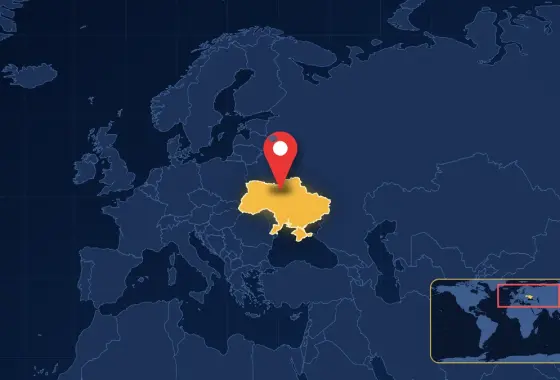
A Russian drone brought down part of a five-storey apartment building in the town of Dymer, north of Kyiv, on Sunday, 22 November 2026. According to Euronews, Ukraine’s National Police said 15 people were missing, including two children; in an earlier Reuters report President Volodymyr Zelensky had put the number at at least 14. As search and rescue work continued, Zelensky again appealed to Washington to allow the transfer of interceptor missiles that partners have already paid for under NATO’s PURL initiative.
This report is based on the accounts of Euronews and Reuters of 22 November. Missing and injured counts changed quickly in the first hours after the strike and differ slightly between sources; this article gives the most recent official figures with attribution. Russia’s statement on the attack does not appear in the readable texts.
What happened in Dymer?
According to Euronews, the Russian drone strike destroyed part of a five-storey apartment block in Dymer. A fire broke out, and while firefighters tackled the flames rescue crews combed through the debris by hand and with equipment for survivors. In Reuters’ first account, residents were still being evacuated, nine people had been taken out and the fire had been brought under control. Timur Tkachenko, head of the Kyiv Regional Military Administration, had said in the early hours that one body had been recovered and three people injured.
Why is the number of missing changing?
With collapsed buildings the number of missing is usually revised as official records are compared with the real number of people under the rubble. Here the Zelensky figure reported by Reuters was at least 14, while Euronews, citing the National Police, writes that 15 are missing. In a Telegram statement the police said the missing include an 11-year-old girl and a seven-year-old boy. The sources do not make clear whether everyone on the missing list is under the rubble; some people may be elsewhere and be reached later.
The latest toll and the injured
According to Tkachenko’s latest statement as reported by Euronews, two bodies have been recovered from the rubble and at least four people have been injured. A coordination centre has also been set up in the area, and social workers and psychologists are at the scene. These figures may change as the search continues. Psychosocial support for families waiting for news of relatives is one of the standard steps local authorities in Ukraine take after large air strikes.
Zelensky’s remarks on interceptors
According to Euronews, Zelensky said Russia had launched about 2,700 drones, nearly 1,460 guided aerial bombs and 165 missiles at 20 Ukrainian regions within a week. He said a significant share of the missiles were ballistic, including North Korean-made ones, and claimed that Russia is helping Pyongyang improve their accuracy. These are Zelensky’s figures and have not been independently verified. A separate Air Force tally for Sunday does not appear in the readable texts.
Zelensky said it is “particularly difficult to understand” the delays in supplying anti-ballistic interceptors. According to Reuters, he stressed that it is very important for the United States to authorise the transfer of Patriot missiles that partners have already paid for under PURL. The sources do not show that a Patriot shortage is directly linked to the Dymer strike; Zelensky’s remark is a general call for air defence.
What is PURL?
PURL is, in brief, a NATO-coordinated mechanism through which European and other allied countries buy US-made weapons for Ukraine. Partners pay, while delivery depends on US approval and stock levels. Zelensky’s call for “already paid” missiles to be released relates to this structure: it points to a situation where money has been paid but delivery is held up. The sources give no figure for the size of pending deliveries.
The wider wave of attacks this week
Euronews presents the Dymer strike as part of a larger wave of attacks. According to the report, from Thursday night into Friday morning Russia launched more than 400 attack drones and over 110 missiles; Zelensky called it “one of the largest attacks” of the war. At least seven people were killed in Kyiv in these strikes, and some key bridges over the Dnipro River were damaged. Euronews’s related links suggest that the toll and the bridge damage from the 20 November strikes on Kyiv are described differently across reports; this article uses only the figure in Euronews’s main text.
The counter-strike: Krasnodar
According to Euronews, Ukrainian forces struck a Russian National Guard facility in Krasnodar overnight. Five people were reported injured in the Krasnodar region, four of them in Afipsky, a settlement that hosts an oil refinery. Russia’s detailed statement on this attack does not appear in the readable text. At this stage of the war both sides continue long-range strikes aimed at energy, military facilities and infrastructure.
Why do attacks on apartment blocks matter under international law?
Attacks on residential buildings are discussed within the rules on protecting civilians and civilian objects in armed conflict. This is general legal background; no legal conclusion has been reached in this incident, and the sources do not mention an investigation. Ukrainian authorities frequently describe such attacks as war crimes, while Russia generally denies targeting civilians. There is no independent confirmation of what the target was in this case.
The Kyiv region and Dymer
Dymer lies north of Kyiv, one of the settlements around the capital. The Kyiv region was among the areas where Russian forces advanced and then withdrew in the early months of the war; since then it has lain along the route of air attacks aimed at the capital. The sources do not describe this local background; the information is general historical context and implies nothing about the cause of the incident.
Why is air defence under debate?
The intensification of drone and missile attacks strains stocks of air defence systems and interceptors. Ballistic missiles, because of their speed, can be countered only by specific systems, and the munitions for those systems are both expensive and limited in production. This constraint lies behind Zelensky’s constant calls for interceptors. The sources give no information on a delivery schedule, so no firm forecast is possible.
The daily risk to civilians
Zelensky’s weekly count of drones and missiles shows that attacks are occurring almost every day and across most of the country. When buildings collapse, the first hours are decisive for survivors, which is why setting up a coordination centre and keeping crews working on the rubble without pause matters. For families, missing-person notices and official registers are the most painful part of waiting for news.
What to watch in the coming days
The main points that can be followed are: the number of people recovered from the rubble and the clarification of the missing list, the US decision on interceptors under PURL, when the next large wave of attacks arrives, and new statements on air-defence support in Europe. These are follow-up points consistent with the sources and may change as events develop.
What does this mean?
In the short term the incident again shows the damage that Russia’s intensive drone and missile attacks inflict on civilian housing. In the medium term Ukraine’s air-defence capacity and the speed of allied supply appear to be among the main factors that will shape how many similar incidents occur. These readings rest on information relayed by the sources and are not firm forecasts.
This report was compiled as of 22 November 2026, 19:00 Türkiye time; figures and details may differ between sources and should be followed as developments are updated.
Frequently asked questions
How many people are missing after the Dymer strike?
According to Euronews, Ukraine’s National Police said 15 are missing, including two children. In Reuters’ earlier report the figure was at least 14.
How many were killed or injured?
Euronews’s latest information says two bodies were recovered and at least four people were injured; the numbers may change.
What did Zelensky ask for?
That the United States allow the transfer of interceptor missiles that partners have already paid for under PURL.
What is PURL?
A NATO-coordinated mechanism through which allies buy US-made weapons for Ukraine.
Sources and further reading
- Euronews, “15 people missing after Russian drone strike on Kyiv region”, 22 November 2026.
- Reuters (via US News), “At least 14 people missing after Russian drone hit building in Kyiv region, Zelenskiy says”, 22 November 2026.
- Al Jazeera, “Zelenskyy urges US to release Patriot missiles as Russia kills 3 in Ukraine”, 22 November 2026.
Leave a comment
Your email address will not be published. Required fields are marked *