



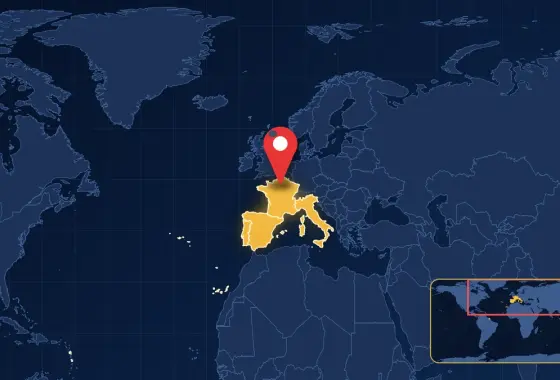
Workers and students took to the streets in more than 20 European countries on Friday, 20 November 2026, demanding higher wages, better living conditions and more investment in public services. Euronews says the demonstrations were expected to continue through the weekend as part of a coordinated international movement. On Saturday France saw its sixth consecutive Saturday of protests; the Interior Ministry counted 82,500 participants while organisers said 150,000.
This report is based on Euronews’s reports of 20 and 21 November and France 24’s account of the same days. Crowd numbers differ widely between officials and organisers; both are given separately and attributed. The sources contain no independent figure for the total number of protesters.
Friday: protests in more than 20 countries
According to Euronews, the demonstrations began on Friday in over 25 European countries, while elsewhere the same coverage speaks of “more than 20 countries.” Workers and students demanded higher wages, better living conditions and greater investment in public services. Euronews says they follow weeks of protests over rising housing costs, worsening education conditions and increased military spending, with many also calling for peace and more funding for healthcare and welfare.
Italy: the CGIL general strike
In Italy the Italian General Confederation of Labour (CGIL) called a 24-hour strike and demonstrations took place in more than 100 locations. According to Euronews, protesters criticised stagnant wages, rising living costs and the government’s failure to improve public services; opposition leaders also criticised Prime Minister Giorgia Meloni’s government over wages and social spending. The strike coincided with the International Day of Student Mobilisation and disrupted public transport, schools and some health facilities. Airport walkouts are scheduled for Sunday at Milan and Venice.
Croatia, Austria and Germany
According to Euronews, students in Croatia boycotted classes and protested in around a dozen cities, demanding investment in education, housing and public services rather than military spending. In Austria several hundred people gathered outside the University of Vienna in a youth-led protest for education funding; police dispersed it after reported disturbances, using pepper spray and making several arrests. In Germany demonstrators called for more education investment and opposed a possible return to compulsory military service, following protests on 31 October that drew thousands.
Saturday: France’s sixth weekend
According to the headline of France 24, France’s sixth consecutive Saturday of protests drew lower turnout. Euronews writes that in demonstrations over cost of living, student rights and police violence, the Interior Ministry counted 82,500 nationwide and 21,500 in Paris, while organisers spoke of 150,000 and 45,000 in Paris. The week before, authorities had counted 106,000 and organisers 200,000. In Marseille police counted 4,600 people.
Arrests and security measures
According to Euronews, unauthorised marches took place in Lyon, where police used tear gas, according to an AFP journalist at the scene. About 70,000 police and security personnel were deployed nationwide. The protests were largely peaceful, with sporadic violence in Marseille. A headline in search results says 144 arrests were made by 6 p.m.; that figure appears only in search summaries and has not been separately verified. Interior Minister Laurent Nuñez had urged regional authorities to be “particularly vigilant.”
The Yellow Vest anniversary
According to Euronews, Saturday’s demonstrations coincided with the eighth anniversary of the Yellow Vest movement, which began in November 2018 over fuel taxes. Organisers’ figure for the first major protest of the current wave is 800,000; this number belongs only to the organisers. Trade union and student groups also joined. In mid-November a new public-sector strike over pay had begun in France, which suggests the wave is not limited to weekends.
Portugal: the Lisbon march
According to Euronews, thousands of workers marched in Lisbon despite heavy rain, demanding higher wages and pensions, more affordable housing and better public services. The march was organised by CGTP-IN, Portugal’s largest trade union federation; special trains came from Porto and buses from cities including Aveiro and Faro. Euronews gives no crowd figure. CGTP-IN called a further rally outside the Assembly of the Republic on Tuesday 24 November, coinciding with the final vote on the state budget.
Portugal’s economic background
Euronews reports that house prices in Portugal have more than doubled since 2017 and that rents on new tenancies have risen sharply. The article also cites Eurostat as saying average earnings in 2025 were 37 percent below the EU average. These figures are attributed to Eurostat; because the article contains an inconsistent reference to the budget year, only the fact that the vote falls on 24 November is reported here.
Spain: Barcelona and Madrid
According to Euronews, on Saturday in Barcelona police counted 3,000 and organisers 5,000; demonstrators demanded affordable housing, better-funded public education and stronger public services. In Madrid a separate protest was organised with the Marea de Residencias (Care Homes Movement), demanding justice for the 7,291 elderly people who died in care homes in the first Covid-19 wave in 2020 and criticising practices under the Madrid regional government. The figure is attributed to the source.
Shared demands
Although agendas differ between countries, common threads stand out: wages and pensions not keeping up with living costs, housing costs, public investment in education and health, and in some countries objections to rising military spending. This summary is a general reading of the demands the sources report. Which demand weighs most in which country is limited to the separate examples the sources give.
What does falling turnout show?
That officials’ count in France fell from 106,000 to 82,500 confirms France 24’s “lower turnout” headline. Organisers’ figure also fell from 200,000 to 150,000. The sources do not say whether lower turnout signals the end of the protests; unions and students continue to call for new actions. In the same way a new demonstration announced in Portugal for 24 November shows the movement continuing.
What should be watched?
Key points to follow: turnout at a seventh Saturday protest in France, the airport rallies planned for the weekend in Italy, the 24 November demonstration outside Portugal’s parliament and the budget vote, the course of the debate on compulsory military service in Germany and the steps governments take on wages and public services. These are follow-up points consistent with the sources and may change as events develop.
What does this mean?
In the short term the events show the cost of living becoming a shared social agenda across many European countries. In the medium term governments’ budget decisions, wage policies and military spending choices may shape the course of the protests. These readings rest on information relayed by the sources and are not firm forecasts.
This report was compiled as of 22 November 2026, 09:00 Türkiye time; figures and details may differ between sources and should be followed as developments are updated.
Frequently asked questions
Where did the protests take place?
According to Euronews, in more than 20 European countries on 20 November; Italy, Croatia, Austria, Germany, Portugal, France and Spain stand out in the coverage.
How many people took part in France?
On 21 November the Interior Ministry counted 82,500 and organisers said 150,000.
What do protesters want?
Higher wages and pensions, affordable housing, more investment in education and health, and in some countries opposition to military spending.
What happened in Italy?
CGIL called a 24-hour general strike; demonstrations took place in 100+ locations and transport and schools were disrupted.
Sources and further reading
- Euronews, “Thousands protest across Europe demanding better wages and services”, 20 November 2026.
- Euronews, “Thousands take to streets in Portugal, France and Spain over rising living costs”, 21 November 2026.
- France 24, “France’s sixth consecutive Saturday of protests draw lower turnout”, 21 November 2026.

Leave a comment
Your email address will not be published. Required fields are marked *