



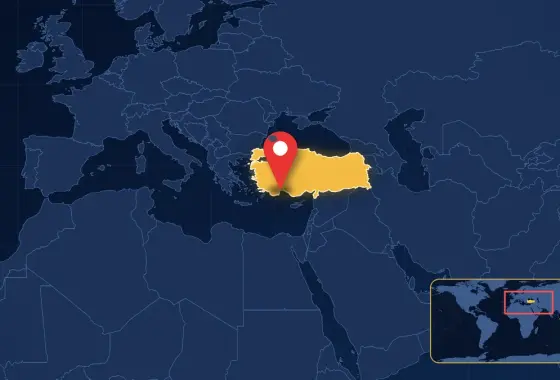
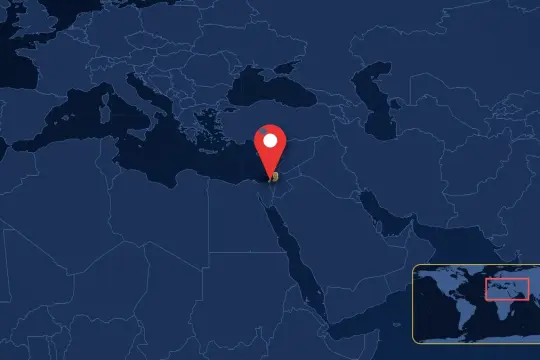
COP31, the UN climate summit held in Antalya, Türkiye, ended on Sunday, 22 November 2026 without adopting its final draft at the closing plenary. According to Al Jazeera, COP31 President Murat Kurum said there was no consensus on the document and that the decisions had therefore not been adopted. The European Union and Panama objected to a draft that did not explicitly mention fossil fuels. Al Jazeera writes that this is the first time since the 2009 Copenhagen summit that a UN climate summit has failed to produce a deal adopted by all parties.
This report is based on the accounts of Al Jazeera (drawing on AP and Reuters) and Euronews (drawing on AFP) of 22 November. There are small differences of detail between the sources, and the texts give no firm timetable for what happens next. This article follows our earlier “overtime” reports on the summit.
What happened at the closing plenary?
The talks of nearly two weeks were due to end on Friday; the final draft was released on Sunday, two days after the scheduled end. According to Al Jazeera, President Kurum told the closing plenary there was no consensus on the document and that the decisions had not been adopted. At a summit attended by nearly 200 delegations, decisions are taken by consensus, so even a single objection can block a text. Kurum said he believed the concerns about fossil fuels and about adaptation finance for developing countries had been addressed.
What was in the draft?
According to Al Jazeera, had it been approved the draft would for the first time have acknowledged that global warming is on course to exceed 1.5C and called for faster development of carbon-removal technologies to reverse the overshoot. Instead of naming fossil fuels, the draft referred to a previous COP decision on transitioning away from oil, gas and coal. Euronews writes that the text kept the goal of electrifying the global economy, acknowledged the previous global deal on transitioning away from fossil fuels but stopped short of naming them explicitly, and retained language promoting carbon capture and storage, which critics call costly and ineffective.
A short history of the drafts
According to Al Jazeera, the first draft, put forward on Monday, called for a faster phase-out; a slimmer version released on Thursday removed all such mentions after Saudi Arabia and other major producers reportedly objected. That forced negotiators back to the table. According to Euronews, on Friday a group including France and Panama issued a letter calling for “a clear transition away from fossil fuels”. The final text published on Sunday again did not mention fossil fuels.
The EU’s position
Darragh O’Brien, the Irish climate and energy minister, whose country holds the rotating EU presidency, said the bloc and its member states “object” to the text. In his words, they will not endorse a cover decision, or an “Antalya Pact”, that does not even mention fossil fuels. According to Euronews, an unnamed EU official told AFP the draft was a “backwards” step, that a no-deal outcome was a “very real possibility” and that he was more pessimistic than the day before. According to Al Jazeera, O’Brien spoke 44 hours after the official end of the summit.
Other objections
Panama also formally objected. Ahead of the vote many countries complained that the draft made no reference to coal, oil or gas. France’s Monique Barbut called the draft a “backward” step. Antigua and Barbuda’s environment minister, Michael Joseph, said they were “very disappointed with how the text looks” and that it was “quite silent” on fossil fuels. According to Euronews, a German official said that oil-producing countries were putting up a fierce fight. The environmental group 350.org criticised the continued omission and the carbon-removal emphasis.
Other contested issues
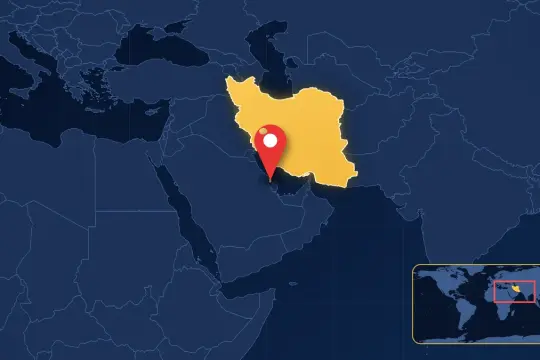
According to Al Jazeera, the talks also saw disagreement over industrial carbon capture and storage and over whether the expansion of electricity should be renewables-only or also include gas and coal. The sources give no detailed figures or finance amounts on these topics. Al Jazeera links the fight to soaring energy prices and the war in Iran.
Why does mentioning 1.5C matter?
That the draft would for the first time acknowledge that warming is on course to exceed 1.5C can be read as an admission about the Paris Agreement goal. This is general background; because the text was not adopted at this summit, the wording did not become an official decision. The draft’s emphasis on carbon-removal technologies to reverse overshoot, in the view of critics, risks replacing emissions cuts; the sources attribute this criticism to 350.org.
How does the consensus rule work?
In UN climate negotiations decisions are taken by consensus, meaning a text is adopted as long as no party formally objects. The objections of the EU and Panama therefore blocked adoption. As Al Jazeera puts it, the summit ran into record extra time. The sources give no timetable for what happens next, and it is unclear whether the decisions will be taken up again.
Türkiye’s role as host
COP31 was held in Antalya, Türkiye, and President Murat Kurum chaired the summit. The sources carry no statement from President Erdoğan at this session; Kurum’s remarks confirm that the text was not adopted. The role of a host country in the negotiations, as at every summit, is limited to trying to reconcile the parties’ demands; the texts do not detail any additional position by Türkiye.
Developing countries and adaptation finance
In Kurum’s remarks adaptation finance appears as one of the concerns raised for developing countries. The sources give no finance figures, so where the process on this topic stands cannot be understood from these texts. Adaptation finance is known as one of the key points of dispute at summits for poorer and island states that want to prepare for climate impacts.
What to watch in the coming days
The main points that can be followed are: whether any statement is made on how the summit’s outcomes will be revisited, how the fossil-fuel dispute between the EU and producer countries will carry into later meetings, assessments by Türkiye as presidency and reactions from environmental groups. These are follow-up points consistent with the sources and may change as events develop.
What does this mean?
In the short term the summit shows that even a single issue such as naming fossil fuels can block an entire text. In the medium term, decisions that were not adopted may increase uncertainty over climate finance and emissions goals. These readings rest on information relayed by the sources and are not firm forecasts.
This report was compiled as of 22 November 2026, 19:00 Türkiye time; figures and details may differ between sources and should be followed as developments are updated.
Frequently asked questions
Was there no deal at COP31?
According to Al Jazeera, COP31 President Kurum said there was no consensus on the document and that the decisions had not been adopted.
Why did the EU object?
The EU said it will not endorse a cover decision, or an “Antalya Pact”, that does not even mention fossil fuels.
What was in the draft?
It would for the first time acknowledge that warming is on course to exceed 1.5C and stressed carbon removal; fossil fuels were not named explicitly.
What happens next?
The sources give no timetable for what happens next.
Sources and further reading
- Al Jazeera (AP, Reuters), “COP31 talks break down as EU rejects deal without reference to fossil fuels”, 22 November 2026.
- Euronews (AFP), “COP31 climate deal in doubt after European Union rejects draft”, 22 November 2026.
Leave a comment
Your email address will not be published. Required fields are marked *