



What did the Treasury announce?
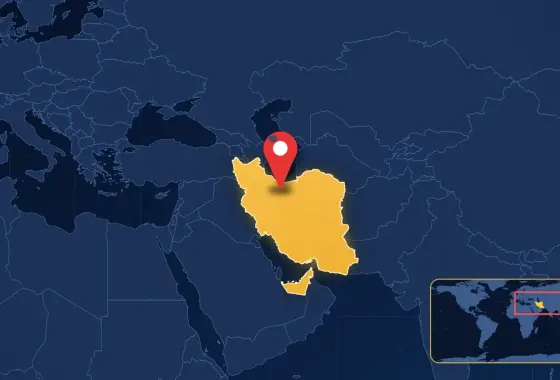
The US Treasury Department announced new sanctions on Monday, 23 November 2026 aimed at Iran’s “shadow banking” networks. According to Reuters and Fox News, the Office of Foreign Assets Control (OFAC) added 22 entities and eight individuals to its sanctions list; other sources put the number as “more than two dozen exchange houses, front companies and people”. The difference may come from counting methods; for the exact list, OFAC’s official announcement should be consulted.
The network is said to operate through Iran, Dubai in the United Arab Emirates, Hong Kong and Türkiye. According to Treasury, the targets include 10 exchange-house front companies in the UAE, Türkiye and Hong Kong accused of moving billions of dollars for Iranian clients. Named entities include Hong Kong-based Grandez Trading Limited, a Türkiye-based trading company and the Iran Center for Exchange of Currency and Gold.
What is “shadow banking”?
According to Treasury, the system is overseen by the Central Bank of Iran and runs through domestic currency exchange houses and bank-linked “rahbar companies”. The purpose is to keep money and payments flowing when official banking channels are closed by sanctions. According to the sources, FinCEN (the US Financial Crimes Enforcement Network) said it had identified about 14.7 billion dollars of financial activity from January 2025 to August 2026 potentially linked to Iranian shadow banking.
This description reflects the US viewpoint; Iran may see such arrangements as legitimate trade routes for getting around sanctions, but the sources contain no new Iranian statement on these sanctions. The report only relays allegations and figures from Treasury and press accounts, which have not been independently verified.
Bessent’s words and “Operation Economic Outcast”
Treasury Secretary Scott Bessent described the shadow banking system as “the last financial lifeline of a bankrupt regime”. According to Gulf News, Bessent said Tehran is “panicking”. The sanctions are part of a campaign called “Operation Economic Outcast”, which Treasury launched in August 2026 and which is referred to in an announcement dated 24 August. The campaign aims to cut the remaining financial channels sustaining the Iranian regime.
Treasury also said it has widened secondary-sanctions exposure for entities that keep doing business with the Iranian regime and will accelerate enforcement. Secondary sanctions mean that non-US companies dealing with listed parties risk losing access to the US financial system. How effective that mechanism will be in practice is not assessed in the sources.
Friday’s round and continuing pressure
According to press reports, the sanctions followed a separate round on Friday that targeted four people tied to Iranian oil sales. The United States has thus taken two distinct financial-pressure steps within a few days: one over oil sales, the other over currency-exchange and payment networks. That frequency appears consistent with the statement that the campaign is being accelerated.
That the targets include international financial centres such as Dubai and Hong Kong makes this a sensitive area for relations with third countries such as the UAE and China. The sources do not relay any reaction from officials in those countries, so that part is silent for now.
A step in the shadow of war and blockade
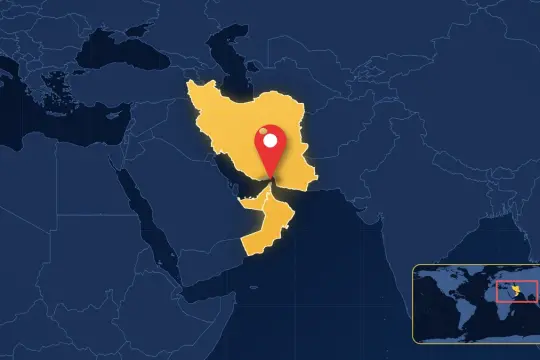
The sanctions come in the middle of a wider conflict between the United States and Iran. According to the Congressional Research Service (CRS), the US naval blockade began on 13 April 2026 and a memorandum of understanding on 17 June had called for it to be lifted; later months, however, saw reports that the blockade was reimposed and that Iran attacked ships passing through the Strait of Hormuz. Anadolu Agency’s morning briefing relayed that President Trump said he is inclined to resume strikes on Iran after the New Year if talks do not produce results.
In that context the sanctions can be read both as a pressure tool meant to strengthen the US position at the negotiating table and as an effort to squeeze the regime’s income. The sources do not analyse the effect of the sanctions on the talks, however; this is only a possible interpretation and not verified information.
Effects on global finance and the region
Because the sanctions cover not only Iranian actors but also companies in Dubai, Hong Kong and Türkiye, compliance risks may rise for banks and intermediaries in those centres. In international banking practice, dealing with sanctioned persons or entities can bring asset freezes and penalties in the United States, so financial institutions usually report or cut off suspect customers and transactions.
This report includes the name of a company in Türkiye; the sources give no detail on its owners or activities, and the company’s response to the accusations is not known. Readers should bear in mind that being added to a sanctions list is not a court judgment but an administrative US decision.
What to watch
The main points to follow in the coming days are the official reactions of Iran and the third countries concerned (UAE, Türkiye, China), statements from the listed companies, further US sanctions rounds and whether secondary sanctions are enforced, and the course of US–Iran talks. These are follow-up points consistent with the sources and may change as events develop.
For oil and financial markets, the effect of sanctions news is often short-lived and uncertain; whether a single sanctions package will have a lasting price effect is not forecast in the sources.
What does this mean?
In the short term the United States is trying to narrow the financial channels Iran keeps open despite the blockade, and is doing so alongside negotiating pressure. The real test of the sanctions will be how companies and banks in centres such as the UAE, Hong Kong and Türkiye react to the listings. These readings rest on information relayed by the sources and are not firm forecasts.
This report was compiled as of 24 November 2026, 09:00 Türkiye time; figures and details may differ between sources and should be followed as developments are updated.
This article is for general information only and is not investment advice. Review the official data before making any investment decision and consult a licensed adviser if needed.
Frequently asked questions
Which entities were targeted?
Exchange houses and front companies in Iran, the UAE, Türkiye and Hong Kong; Grandez Trading Limited and the Iran Center for Exchange of Currency and Gold are among those named.
What does shadow banking mean?
According to Treasury, a network overseen by the Central Bank of Iran that keeps money moving under sanctions through exchange houses and “rahbar companies”.
What are secondary sanctions?
The risk that non-US companies dealing with listed parties lose access to the US financial system.
Does being sanctioned mean being found guilty?
No. It is an administrative US decision, not a court ruling; the allegations have not been independently verified.
Sources and further reading
- U.S. Department of the Treasury, “Iran’s Access to UAE Banks Targeted Under Operation Economic Outcast” and November 2026 announcements, home.treasury.gov.
- Reuters via U.S. News, “US imposes sanctions on dozens linked to Iran’s shadow banking networks”, 23 November 2026.
- Fox News, “Treasury sanctions Iran shadow banking network across Dubai and Hong Kong”, 23 November 2026.
- Gulf News, “US hits Iran’s shadow banks as Bessent says Tehran is panicking”, 23 November 2026.
- The Jerusalem Post, “US targets Iranian ‘shadow banking’ financial institutes with sanctions”, 23 November 2026.
- Anadolu Agency, “Morning Briefing: Nov. 23, 2026”.
Leave a comment
Your email address will not be published. Required fields are marked *