



What exactly happened overnight?
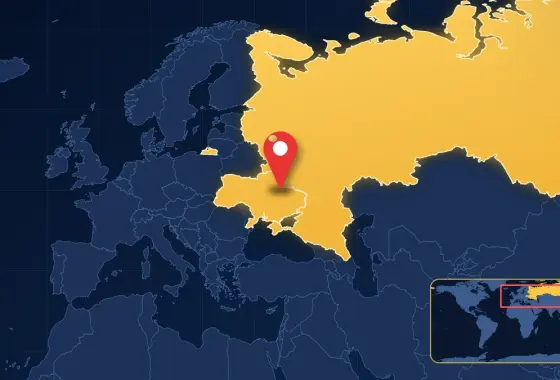
Russia’s Defence Ministry said on Sunday it had shot down more than 1,000 Ukrainian drones overnight. More than a dozen regions, including Moscow, were targeted in the Ukrainian attack.
The announcement came just a day after Russia said it had destroyed more than 1,200 Ukrainian drones the night before, marking two consecutive nights of intense drone activity.
How was the Moscow region affected?
Moscow’s mayor, Sergei Sobyanin, said more than 500 drones flew towards the capital region. Writing on the state-backed Max platform, Sobyanin said “most were neutralised by the defence ministry’s air defence forces on distant approach,” adding that a total of 105 drones were destroyed on the approach to Moscow.
Sobyanin’s figures rely on official Russian statements and have not been independently verified; Russia has historically disclosed only the number of drones it says it intercepted, not the total number launched.
How often have large-scale drone attacks like this been happening?
As the war enters its fifth year, both sides have steadily escalated the intensity of their air strikes in recent months. In July, more than 430 drones targeted the Moscow region, and flight restrictions were imposed at all four of the capital’s major airports.
In September, Sobyanin described what he called the “largest-ever” drone attack on the capital, with 450 drones downed in a single night, though some reportedly reached the Moscow Oil Refinery. These episodes show attack intensity has climbed steadily over the months.
Is Russia also continuing its own strikes in response?
Yes; Russia regularly carries out large-scale drone and missile strikes on Ukraine’s energy, railway and military infrastructure. Last week, Russian forces reportedly struck energy and railway targets in nine Ukrainian regions with 155 drones, after which electricity exports were halted.
These mutual waves of intense strikes point to a period in which both countries use their own air-defence capacity and claimed “destruction” figures as both deterrence and propaganda tools.
Could peace talks stop this cycle of attacks?
Prisoner exchanges and mediation efforts throughout the war have so far failed to produce an agreement to end Europe’s bloodiest conflict since World War II. In early November, US-mediated trilateral talks in Abu Dhabi resulted in a large prisoner swap, but no lasting ceasefire framework emerged.
Despite ongoing diplomatic contact, the continued frequency of air strikes suggests both sides are trying to convert battlefield pressure into negotiating leverage, which is seen as the biggest obstacle to a durable ceasefire in the near term.
How reliable are these figures, and how are they verified?
Russia’s statements on the number of drones downed rely on official Russian sources and cannot be directly verified by independent observers; outlets such as the Kyiv Independent have previously reported similar Russian figures with a note that they “could not be independently verified.”
Indirect evidence, such as airport closures, separate damage reports from regional governors, and satellite imagery, nonetheless helps build an independent picture of the scale of attacks, even without numerical certainty.
How big is the risk to civilians?
Large-scale drone waves directly affect civilian life through falling debris in residential areas, airport closures and power outages. In previous major attacks on Moscow, flights were temporarily halted and some drones reportedly reached strategic sites such as a refinery.
On the Ukrainian side, Russian strikes targeting energy and railway infrastructure raise the risk of prolonged power outages as winter sets in, underscoring that civilians on both sides are bearing the direct cost of the war.
How is the international community reacting to this wave of attacks?
EU and UN officials have repeatedly warned that mutual air strikes endanger civilian infrastructure, but these calls have not so far led to any clear reduction in attack frequency.
Western governments continue to provide military and financial support to Ukraine, while Russia’s ties with its own allies remain a factor shaping the war’s trajectory, a complex balance that makes a near-term halt to the strikes unlikely.
What does this mean for the overall course of the war?
Consecutive nights of high-intensity drone activity are seen as evidence that the “air war” dimension of the conflict has become as decisive as the conventional front line. Without major battlefield breakthroughs, both sides appear to be using air strikes to wear down the other’s economic and military capacity.
Analysts note that as the frequency and scale of such attacks grow, the chances rise that the parties will eventually sit down for talks either under greater pressure or with even more hardened positions, making it important to watch developments closely.
What could be the indirect impact of this wave of attacks on energy and transport infrastructure?
The temporary closure of airports around Moscow during previous large-scale attacks caused cascading delays across air traffic; a repeat of this scenario could disrupt not just Russian but also regional flight networks. Civil aviation experts note that such repeated closures raise planning and insurance costs for airlines, while passengers are often forced to repeatedly change their travel plans.
Similarly, Russian strikes on Ukraine’s energy and railway lines can prolong power outages and heating problems as winter sets in, while also disrupting train services. The fact that civilian infrastructure in both countries is targeted this frequently shows the war’s economic cost continues to grow independently of the fighting along the front line, making recovery harder with each passing month.
What does this mean?
Russia’s claim of downing more than 1,000 Ukrainian drones in a single night shows that air attacks are intensifying rather than easing as the war enters its fifth year. The frequency of consecutive large-scale nights suggests both sides are trying to boost battlefield pressure to gain leverage at the negotiating table. The fact that official figures cannot be independently verified once again highlights that the information dimension of the war is itself an active front. This assessment rests on official statements and current reporting; the figures and their implications may not be independently verifiable and could change as events develop.
This report was compiled as of 29 November 2026, 19:30 Türkiye time; figures and details may differ between sources and may be updated as events develop.
Frequently asked questions
How many drones did Russia say it downed overnight?
Russia’s Defence Ministry said on Sunday it downed more than 1,000 Ukrainian drones; the night before it had reported destroying more than 1,200.
How was the Moscow region affected?
Mayor Sergei Sobyanin said more than 500 drones headed toward the capital region, with 105 downed as they approached Moscow.
Are these figures independently verified?
No; the figures come from Russian officials, and news outlets typically report such numbers with a note that they could not be independently verified.
Is Russia also striking Ukraine?
Yes; Russia hit energy and railway targets in nine Ukrainian regions with 155 drones last week, after which electricity exports were halted.
Could peace talks stop these attacks?
Trilateral talks in Abu Dhabi in early November produced a large prisoner swap, but no lasting ceasefire framework has yet emerged.
Have attacks this large happened before?
Yes; more than 430 drones targeted Moscow in July and 450 in September, figures that show attack intensity has grown over recent months.
How do these attacks affect civil aviation?
Previous large-scale waves led to flight restrictions at all four of Moscow’s major airports; similar closures mean delays and added costs for both passengers and airlines.
Sources and further reading
- Euronews, "Russia says shot down 1,000 Ukrainian drones overnight", 29 November 2026.
- Kyiv Independent, "Moscow comes under drone fire overnight, grounding flights at major airports" (background on earlier large-scale attacks).
- The Moscow Times, "Over 430 Ukrainian drones target Moscow in major overnight raid", 7 July 2026 (comparative data on an earlier attack).
Cite this article
Use this article as a source in your work, assignment or blog:
YulaHub Editorial Team. (29 November 2026). Russia Says It Shot Down More Than 1,000 Ukrainian Drones Overnight. YulaHub. https://yulahub.com/en/russia-says-it-shot-down-more-than-1000-ukrainian-drones-overnight
YulaHub Editorial Team. "Russia Says It Shot Down More Than 1,000 Ukrainian Drones Overnight." YulaHub, 29 November 2026, https://yulahub.com/en/russia-says-it-shot-down-more-than-1000-ukrainian-drones-overnight.
<a href="https://yulahub.com/en/russia-says-it-shot-down-more-than-1000-ukrainian-drones-overnight">Russia Says It Shot Down More Than 1,000 Ukrainian Drones Overnight</a> (YulaHub)





Leave a comment
Your email address will not be published. Required fields are marked *