



What exactly was announced today?
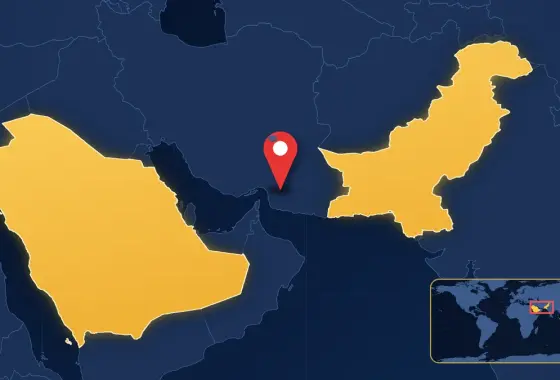
Pakistan’s army said it is deploying its own troops to Saudi Arabian territory to bolster the Kingdom’s defences. In a written statement, Pakistan’s General Headquarters said the move reflects its “unwavering commitment to the security, sovereignty and territorial integrity of the Kingdom of Saudi Arabia” and forms part of its pledge to safeguard “the sanctity of Haramain Sharifain.”
Islamabad did not disclose the number of troops, their specific duties, or how long the deployment would last, but said the forces would operate under existing defence cooperation arrangements already in place with Saudi Arabia. Pakistan also held a send-off ceremony for the departing troops.
What agreement is Pakistan’s deployment based on?
The deployment is based on the Mecca Joint Defence Agreement signed by Pakistan, Saudi Arabia and Turkiye on 7 August. Under the pact, an armed attack on any one of the three states is treated as an attack on all three, and each side commits to defending the others.
The three countries held a trilateral meeting in Islamabad on Friday where they jointly condemned the ongoing Houthi attacks on Saudi Arabia and reaffirmed their collective defence commitments. While Pakistan stressed the agreement is defensive in nature, this marks one of the first concrete troop movements carried out under the pact.
What targets did the Houthis claim to have struck?
Yemen’s Iran-backed Houthi movement claimed it had launched five attacks on Saudi Arabia’s defence, transport and energy sectors. The claimed targets included King Khalid International Airport in Riyadh, radar installations in Abha and Khamis Mushait, Saudi Aramco’s Jazan refinery, Aramco’s major Hawiyah gas plant, and the Al-Shuqaiq and Jazan southern power stations.
The full scope of the claimed strikes has not been independently verified, though locally posted videos showed smoke and fire around some energy sites. Aramco’s Jazan refinery had already been hit on Thursday, killing a Nepalese worker and injuring several others.
How did the Saudi-led coalition respond?
The Saudi-led coalition said its air defence systems intercepted multiple missiles overnight between Saturday and Sunday. Saudi authorities sent emergency alerts urging residents in parts of the country to shelter, and said debris from one intercepted missile caused no civilian injuries.
The coalition also announced it had carried out a “military response operation” to destroy “vital” Houthi assets used to attack Saudi Arabia and Yemen and to threaten shipping in the Red Sea and the Bab el-Mandeb Strait. A coalition spokesperson said it “will respond immediately to any further attacks, in accordance with international humanitarian law.”
How long have these attacks been going on?
The Houthi attacks on Saudi Arabia are a long-running extension of Yemen’s civil war and wider regional proxy conflicts. The movement frames its strikes both as pressure to force Riyadh to halt its military operations in Yemen and as a way to assert its own position in the regional balance of power.
The Washington-based Institute for the Study of War (ISW) and the Critical Threats Project (CTP) said the latest attacks aim to pressure Riyadh to “surrender to Houthi demands and cease its military operations in Yemen,” while Saudi Arabia has struck back at Houthi command-and-control hubs “in anticipation of further Houthi offensive efforts in the area.”
What military presence did Pakistan already have in the region?
Pakistan’s military cooperation with Saudi Arabia is not new: the two countries signed a bilateral defence pact in 2025, and in April 2026 Riyadh confirmed that a Pakistani force, including fighter jets and support units, had arrived at King Abdulaziz Air Base in the Eastern Province.
Pakistan does not officially disclose troop numbers, but news agencies reported around 8,000 Pakistani troops in the region by May. A government source said the confidential pact allows for the deployment of up to 80,000 Pakistani troops to Saudi Arabia if needed, though that figure has not been officially confirmed.
Where does Turkiye stand in this alliance?
Turkiye is the third signatory to the Mecca Joint Defence Agreement and is bound by the same collective defence obligation. At an emergency meeting in Riyadh in early October, Pakistan, Saudi Arabia and Turkiye agreed to act together to strengthen deterrence against Houthi attacks, a decision recorded as the first time the pact was effectively activated.
Analysts say Pakistani forces are not expected to take part directly in ground operations against the Houthis, and Pakistan’s defence ministry has not said clearly whether it would join air strikes on Yemen. This suggests Pakistan’s role may for now remain mostly defensive and deterrence-focused.
What could this mean for shipping traffic in the Red Sea?
The coalition’s “vital assets” operation specifically targets Houthi capabilities that threaten shipping in the Red Sea and the Bab el-Mandeb Strait, a strategic waterway connecting to the Suez Canal through which a significant share of global container traffic passes.
Continued attacks on energy facilities could reignite higher insurance premiums and maritime security risks in the region, though the scale of any such effect would depend on how frequent the attacks remain and how effective the coalition’s retaliatory operations prove to be as a deterrent.
Where are things heading?
Pakistan’s troop deployment is being seen as a new threshold in the regional security architecture: a three-country defence pact turning, for the first time, into a concrete troop movement shows that Houthi attacks are now seen as a direct concern not just for Saudi Arabia but for its allies as well.
Still, there is no sign of an imminent diplomatic resolution. The Houthis appear intent on continuing their attacks, while the Saudi-led coalition is signalling it will expand its retaliatory operations. This mutual hardening makes it harder for regional tensions to ease in the near term.
What role are Egypt and other regional actors playing in this crisis?
Pakistan’s decision to send troops came just over a month after Egypt said it would also provide military support to Saudi Arabia, without giving details on the scope of that support. These successive announcements show Riyadh is drawing simultaneous backing from more than one regional ally against the Houthi threat.
Other Gulf states are also reinforcing their own air defence systems, while the US maintains a coordinated naval and air presence in the Gulf and the Red Sea alongside Saudi defences. Whether Washington has issued its own assessment of this latest Pakistani announcement remains unclear for now, underscoring once again that the crisis has shifted from a single-country matter into a regional coalition issue.
What does this mean?
Pakistan sending troops to Saudi Arabia is one of the first concrete steps turning the Mecca Joint Defence Agreement from a paper commitment into action, and it shows a regional deterrence front has formed against Houthi attacks. The Houthis’ claimed strikes on energy and airport targets remain unverified, but the repeated hits on Saudi Aramco facilities are also deepening the crisis’s economic dimension. With diplomatic efforts largely absent for now, Saudi deterrence strengthened by Pakistani and Turkish backing looks set to be the decisive factor in the coming weeks. This assessment rests on current reporting and official statements; developments could shift quickly depending on how frequently attacks continue.
This report was compiled as of 29 November 2026, 19:30 Türkiye time; figures and details may differ between sources and may be updated as events develop.
Frequently asked questions
Why is Pakistan sending troops to Saudi Arabia?
Pakistan said it deployed troops under the Mecca Joint Defence Agreement signed with Saudi Arabia and Turkiye, to bolster the Kingdom’s defences against Houthi attacks.
What targets do the Houthis claim to have hit?
The Houthis claimed strikes on King Khalid Airport in Riyadh, radar sites in Abha and Khamis Mushait, and Aramco’s Jazan and Hawiyah facilities; these claims have not been independently verified.
How did the Saudi-led coalition respond?
The coalition said it downed multiple missiles and carried out a retaliatory operation targeting Houthi attack capabilities; no civilian injuries were reported.
Did Pakistan already have a military presence in the region?
Yes; following a 2025 bilateral pact, Pakistani forces reached a Saudi air base in April 2026, and reports put roughly 8,000 Pakistani troops in the region by May.
Where does Turkiye fit into this alliance?
Turkiye is the third signatory of the Mecca Joint Defence Agreement and joined Pakistan and Saudi Arabia in early October in deciding to strengthen joint deterrence against Houthi attacks.
Could this affect Red Sea shipping?
Among the Houthi assets targeted by the coalition are capabilities that threaten shipping in the Red Sea and Bab el-Mandeb; continued attacks could raise maritime insurance risks.
Sources and further reading
- Euronews (source: AP and Euronews Doha bureau), "Pakistan sends its troops to help defend Saudi Arabia as Houthis ramp up attacks", 29 November 2026.
- Al Jazeera, "Pakistan, Turkiye join Saudi deterrence against Houthis: What that means", 6 October 2026.
- Arab News Pakistan, "Pakistan says troop deployments under Makkah pact to depend on Saudi security needs".
Cite this article
Use this article as a source in your work, assignment or blog:
YulaHub Editorial Team. (29 November 2026). Pakistan Sends Troops to Defend Saudi Arabia as Houthi Attacks Intensify. YulaHub. https://yulahub.com/en/pakistan-sends-troops-to-defend-saudi-arabia-as-houthi-attacks-intensify
YulaHub Editorial Team. "Pakistan Sends Troops to Defend Saudi Arabia as Houthi Attacks Intensify." YulaHub, 29 November 2026, https://yulahub.com/en/pakistan-sends-troops-to-defend-saudi-arabia-as-houthi-attacks-intensify.
<a href="https://yulahub.com/en/pakistan-sends-troops-to-defend-saudi-arabia-as-houthi-attacks-intensify">Pakistan Sends Troops to Defend Saudi Arabia as Houthi Attacks Intensify</a> (YulaHub)





Leave a comment
Your email address will not be published. Required fields are marked *