




Cold weather, snow and ice expose a car's weakest points. A few simple checks improve your safety and reduce the risk of being stranded.
- Winter tyres: below roughly 7 °C, winter tyres give much better grip than summer tyres. Check the tread depth too.
- Antifreeze: the antifreeze ratio in your coolant should suit the lowest temperatures in your area. A garage can measure it in minutes.
- Battery: cold weather reduces battery power. If your battery is old, have it tested before winter.
- Wipers and screenwash: replace wipers that leave streaks, and fill the reservoir with a freeze-resistant fluid.
- Lights and indicators: with short daylight hours, every bulb working is vital.
- Brakes: on slippery roads, good brakes are everything; have the pads and fluid checked.
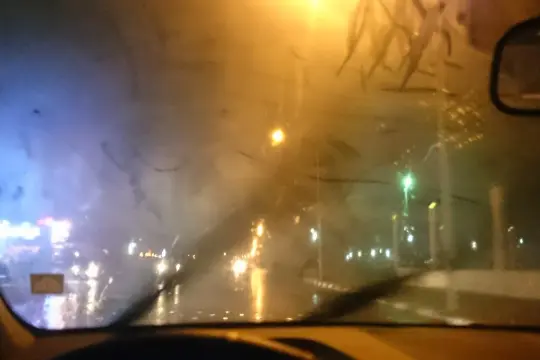
- Heater and demister: make sure the climate control and rear window heater work so you can see clearly.
- Winter kit: keep a blanket, torch, ice scraper, tow rope, gloves and snow chains in the boot.
On snowy and icy roads, the most important rule is simple: slow down, increase your following distance and avoid sudden braking or steering.
Winter tyres: symbols, tread depth and rules
A genuine winter tyre can be recognised by the three-peak mountain and snowflake symbol (3PMSF) on its sidewall. This symbol shows that the tyre has passed a standard traction test on snow. Tyres that carry only the "M+S" (mud and snow) marking are not tied to any such test. Legally, tyre tread depth must be at least 1.6 millimetres; however, for effective grip on snow and wet roads, experts recommend a depth of at least 4 millimetres for winter tyres. The wear indicators between the treads make this check easier. In Türkiye, winter tyres are mandatory for commercial vehicles (such as buses, lorries, taxis and minibuses) between set dates each year, and governorships can change these dates according to local conditions. Although there is no such requirement for private cars, winter tyres clearly improve safety for people who live in cold regions and travel often in winter. Also check tyre pressure once a month, as it drops in the cold.
How to fit snow chains
On deep snow and icy slopes, snow chains are often the difference between being stranded and carrying on, but trying to fit them for the first time at the roadside, in the cold and dark, is hard. That is why it is good practice to fit and remove the chains at least once on dry ground before winter starts. Chains go on the wheels that drive the vehicle: the front wheels on front-wheel-drive cars and the rear wheels on rear-wheel-drive cars. For four-wheel-drive vehicles, follow the manufacturer's recommendation. Make sure the chains match your tyre size, which is printed on the tyre's sidewall. While chains are fitted, your speed should not exceed the limit set by the manufacturer; for most products this limit is around 50 kilometres per hour. After driving a few hundred metres, stop and check the tension again. Chains should be removed once you reach snow-free tarmac; otherwise the chains, the tyres and the road surface will all be damaged.
What to do if your car skids on an icy road
One of the most dangerous moments on a slippery road is suddenly losing control of the car. Slamming on the brakes in panic or turning the steering wheel sharply usually makes things worse. In a car with ABS, if emergency braking is needed, the pedal should be pressed firmly and held down; the vibration and clicking felt in the pedal show that the system is working, and there is no need to lift your foot. If the rear of the car starts to slide, it is recommended to ease off the accelerator gently and steer calmly in the direction you want to go. The thin, transparent layer of ice known as black ice is particularly treacherous because it looks like wet tarmac; bridges, viaducts, tunnel exits and shaded bends are the first places to freeze. Even when the air temperature appears to be slightly above zero, these spots can be icy. Increasing your following distance on slippery roads to several times what it would be on a dry road means these manoeuvres may never be needed.
If you are stranded in snow: the carbon monoxide danger
In heavy snowfall you may have to wait on the road for hours. In this situation, one of the biggest and least known dangers is carbon monoxide poisoning. If the end of the exhaust pipe becomes blocked with snow, this colourless and odourless gas can fill the inside of the car. The US Centers for Disease Control and Prevention (CDC) advises people stranded in snow to keep the end of the exhaust pipe clear of snow, to warm up by running the engine for about 10 minutes each hour rather than continuously, and to leave a window on the side away from the wind slightly open while doing so. If nobody is around and help is far away, tying a brightly coloured cloth to the car or its aerial and switching on the interior light while the engine is running helps you to be seen. Trying to walk away from the vehicle is usually more dangerous in a blizzard with very poor visibility. Help can be requested by calling the 112 emergency number, and closing unnecessary apps to save your phone's battery is also important.
A final check before a long journey
Before setting out on a long winter journey, you need to plan not just the car but the trip itself. Checking the weather along the route and the road condition announcements of the General Directorate of Highways before leaving tells you about closed passes or requirements to use chains. Keeping the fuel tank more than half full gives you a reserve for staying warm during long waits. Sharing your travel plan and estimated arrival time with someone close to you makes it easier for them to look for you if something goes wrong. It is also important to clear snow completely from the front and rear windows, the mirrors, the lights and the roof of the car: snow left on the roof can slide onto the windscreen when you brake and block your view in an instant, or be blown onto the windscreen of the car behind. Finally, not setting out when tired and taking a break every two hours become even more important given that attention runs out faster in winter conditions.
Sources and further reading
- US Centers for Disease Control and Prevention (CDC), "Winter Weather: Stay Safe in Your Car"
- US National Highway Traffic Safety Administration (NHTSA), "Winter Driving Tips"
- Turkish General Directorate of Highways, road condition and winter measures announcements



Leave a comment
Your email address will not be published. Required fields are marked *