



What happened?
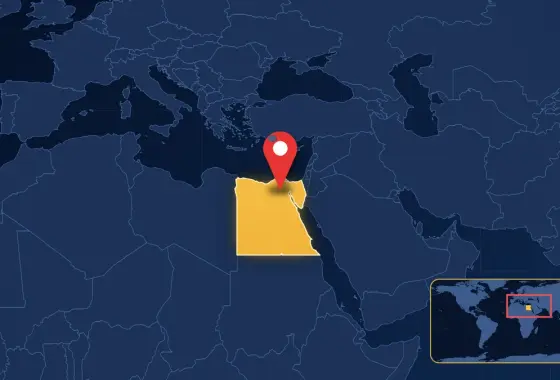
On the evening of Wednesday, 25 November 2026, a fuel tanker veered off the road, overturned and burst into flames on the Ring Road that circles Cairo, the Egyptian capital. According to reports citing Egypt’s health ministry, at least 31 people were killed and 21 injured. Authorities said early figures were preliminary and could rise.
The fire broke out above Tunnel 10 on the Ring Road in the Warraq neighbourhood of Imbaba, in the north of the city. Flames spread quickly across the highway and onto nearby vehicles. More than 20 cars and motorcycles were burned, with some reports putting the number as high as 27.
A large ambulance response was deployed to the scene, reported as 39 ambulances. After firefighters put out the blaze the wreckage was cleared, and a health ministry spokesperson told the broadcaster Al-Qahera News that the Ring Road had reopened to traffic.
Toll and condition of the injured
Figures vary somewhat between sources. Early reports spoke of 30 dead and 25 injured, later statements of 31 dead and 21 injured, and some information attributed to prosecutors put the number of injured at 25 or more. Such differences are common in the first hours after a large accident; the final toll will be settled by updates from official bodies.
The health minister visited the scene and treatment centres, and nearby hospitals were placed on high alert. The injured were taken to Sheikh Zayed Specialist Hospital, Imbaba General Hospital and Warraq Central Hospital. According to the minister, four of them were in critical condition with burns covering 70 to 80 per cent of their bodies.
DNA samples are being taken to identify the dead, at the request of the regional prosecutor. Identification is likely to take time because of the severity of the burns, which may prolong the wait for families searching for relatives.
The cause is not yet established
According to the Petroleum Ministry, the privately operated tanker, which was carrying petroleum products, veered off the road and crashed before exploding. Some reports outside the ministry statement give a different account.
The Egyptian newspaper Al-Ahram, citing sources close to the investigation, reported that a high-voltage cable fell in front of the tanker and the driver lost control. Some accounts based on witness descriptions said the cable may have been dislodged by strong winds. These claims have not been officially confirmed.
The regional public prosecutor opened an inquiry. A definitive account of how the fire started should wait for the technical examination. This report relies only on official statements and clearly attributed information, and leaves out unverified footage and claims.
Steps taken by the government
President Abdel Fattah el-Sisi expressed condolences to the families of those killed. According to a cabinet statement, Prime Minister Mostafa Madbouly ordered that the state cover the medical costs of the injured.
Egypt’s Financial Regulatory Authority directed the compulsory motor insurance fund to speed up compensation payments to the families of the dead and to those injured in the fire. Further measures such as social support and counselling were also reported to be on the agenda; their scope and timing should become clear from official statements.
Why the Cairo Ring Road matters
The Ring Road is one of the main arteries that loops around Greater Cairo and links different sides of the city. In a metropolis of many millions, commuter traffic, freight and intercity connections all pass along it. An evening tanker crash can therefore hit heavy traffic and affect surrounding vehicles directly.
The area of Warraq and Imbaba where the crash occurred is known for dense settlements. Homes and businesses near the road can make large fires harder to fight, although the sources used here contain no confirmed information that buildings were damaged in this incident.
Road safety is a subject that Egyptian officials themselves raise from time to time. Inspection of vehicles carrying hazardous materials, maintenance of power lines near highways and emergency response capacity are the kind of questions debated after accidents of this scale. It is not yet known what shortcomings, if any, the investigation will identify.
Why tanker fires call for caution
Leaking fuel and the vapour it produces can ignite very easily, flames can spread over a wide area within moments and the risk of explosion may continue. General safety advice for drivers and pedestrians who come across such a scene is to stop at a safe distance, not to approach, to move away while considering the wind direction and to call the emergency number.
Approaching to film with a phone puts both the person and rescue teams at risk. Burn injuries need early, specialist medical care. These are general safety reminders; for detailed and current guidance people should follow local emergency services.
Vehicles carrying dangerous goods are subject in most countries to special markings, driver training and routing rules. Whether this tanker complied with them, and its maintenance and licensing status, could be among the questions for investigators. The sources reviewed report no finding of that kind at this stage.
What to watch next
Points to follow include any revision of the official death and injury toll, the condition of the critically injured, prosecutors’ findings on the cause, whether the cable claim is confirmed and how the compensation and support payments are carried out. It is also worth watching whether authorities announce new rules on transporting hazardous materials or on Ring Road safety.
No prosecutorial findings, possible charges or DNA results have been reported yet in the sources reviewed. The information will be updated as events develop. All figures in this report come from published sources dated 25 and 26 November, and claims that could not be verified have deliberately been left out.
Because initial figures in large accidents can change within hours, readers should rely on the latest announcements from official bodies about the toll. Images and claims circulating on social media can spread misinformation when shared without checking the date and location.
What does this mean?
The incident shows how destructive fuel carried on a crowded urban highway can be when an accident happens. Until it is clear why the tanker left the road, the debate on responsibility and prevention cannot reach a firm conclusion; if the cable claim is confirmed, maintenance of power lines may come to the fore, and if not, driving and vehicle inspection. Treating the injured and supporting families remain the priorities. This assessment rests on the sources and is not a firm forecast.
This report was compiled as of 26 November 2026, 09:00 Türkiye time; figures and details may differ between sources and may be updated as events develop.
Frequently asked questions
Where did the crash happen?
On Cairo’s Ring Road, above Tunnel 10 in the Warraq neighbourhood of Imbaba.
How many people died?
Reports citing the health ministry say at least 31 people were killed and 21 injured; the figures are preliminary.
What caused the fire?
It has not been officially established. The Petroleum Ministry says the tanker left the road and crashed; some reports mention a fallen high-voltage cable.
Is the road open?
According to a health ministry spokesperson, the Ring Road reopened after the wreckage was cleared.
Sources and further reading
- CNN, “At least 31 killed in fuel tanker fire near Cairo, Egyptian authorities say”, 25 November 2026.
- Associated Press (US News), “Fuel tanker crash ignites a massive fire on a highway surrounding Cairo, killing at least 31 people”, 25 November 2026.
- The Thursday Times, “At least 30 killed as fuel tanker burns on Cairo ring road”, 26 November 2026.
- IBTimes UK, “Cairo tanker fire survivors critically injured with burns covering up to 80% of their bodies, minister says”, November 2026.



Leave a comment
Your email address will not be published. Required fields are marked *