



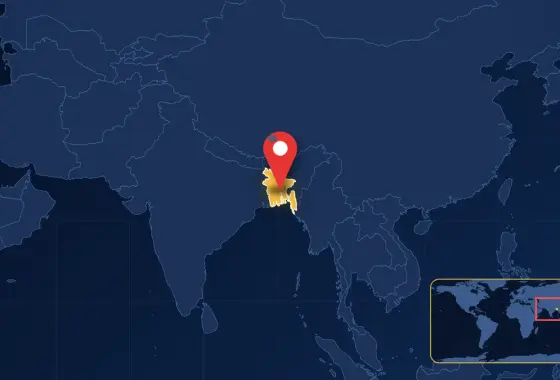
What happened?
On Wednesday, 25 November 2026, Bangladesh’s government-appointed wage board raised the monthly minimum wage for entry-level garment workers. According to the Associated Press and TRT World, the wage rose from 12,500 to 17,000 taka (about US$136), an increase of 36%.
The decision followed weeks of protests that at times turned violent. Workers took to the streets, clashed with police and in some cases attacked factories, closing plants and disrupting production. Saying high inflation had made life difficult, they demanded that the minimum wage at least be doubled.
The board’s decision was not unanimous. The six-member panel includes two representatives each for workers and employers, and the 17,000-taka figure passed in a 4-2 vote. The two dissenting members backed the workers’ revised demand of 18,000 taka.
The numbers and the timetable
According to Al Jazeera (with AFP), the board chairman said the new wage takes effect in December, with workers receiving it in January. Some outlets reported the figure as 17,500 taka, but the 36% rise and the AP and TRT World reports point to 17,000 taka. The definitive text will be confirmed by the official board decision.
The original protest demands were much higher. Al Jazeera said protesters had asked for 30,000 taka (about US$240) a month, so the announced figure falls well short. TRT World wrote that it is the smallest percentage increase since the sector’s first minimum wage was set in 1986. For comparison, wages rose by 77% in 2013, 51% in 2018 and 56% in 2023.
Because the dollar value moves with the exchange rate, the taka amount is the more reliable reference. Even so, the roughly US$136 figure is a striking indicator of the base monthly income of a Bangladeshi worker in the global supply chain.
The weight of the sector
Garments drive Bangladesh’s economy, and the central bank calls the sector the country’s export engine. According to Al Jazeera it earns about US$38 billion a year, employs four million people and accounts for four-fifths of exports. Many of the workers are women from rural areas.
Bangladesh is the world’s second-largest garment exporter after China, with the United States and Europe as its main markets. Wage negotiations therefore matter not only at home but also for the sourcing plans of global brands.
The Bangladesh Garment Manufacturers and Exporters Association (BGMEA) said on Sunday that the protests had cost the industry an estimated US$428 million in losses and that orders worth US$254 million had moved to other countries. These are an employers’ association estimates and should not be read as independently audited figures.
Will workers accept?
This is the critical question. Reports say it is not yet clear whether workers will accept the new wage. Reuters reported that the decision, which falls short of demands, sparked fresh protests. TRT World also wrote that the US$136 figure is below the workers’ revised demand of US$144, leaving uncertainty over whether weeks of unrest will end.
According to Al Jazeera, a labour representative on the wage board said that they were not completely satisfied but the outcome was not entirely bad, and urged workers to return to their factories. He noted that wages used to be revised every five years but this time came after three.
How workers on the ground respond will be decisive. If protests flare again, production and shipping schedules could be disrupted further; otherwise factories may gradually return to normal.
Background: safety and working conditions
The garment industry has played a major role in Bangladesh’s development, but working conditions have often been questioned. The 2013 collapse of the Rana Plaza building near Dhaka killed 1,134 people and injured thousands, exposing weak safety standards in a sector employing millions. Fires and other incidents since then have also killed dozens.
Wage disputes are not new either: large protests broke out in 2023 around a similar review and the wage board again struggled to find consensus. This time too, wages, inflation and the cost of living are at the centre of the argument.
What does the minimum wage set?
The minimum wage fixes the lowest monthly amount that can be paid to a newly hired worker in the sector. Pay for more experienced or skilled grades may differ; the sources used here give only the figure for the entry-level floor. How higher grades and overtime will be calculated should be clear from the text the board publishes.
As a government-appointed body the wage board brings worker and employer representatives to the same table. The decision announced on Wednesday morning followed nearly 12 hours of meetings between the two sides. The long session and the split vote show how difficult the bargaining was.
Inflation is at the centre of the argument. Workers say rising prices have eroded their pay and that they struggle to cover basic needs. Employers point out that higher costs may affect orders and jobs. Debate over whether the wage is adequate may continue after the decision takes effect.
What does it mean for global buyers?
A wage increase raises production costs and may affect how orders are priced and how brands plan sourcing. On the other hand, a stable production environment can be worth more than keeping wages low. Statements from brands, exporter associations and unions in coming weeks should give a clearer picture.
Türkiye’s textile and clothing industry shares buyers with Bangladesh in global markets, so developments will be watched there. The sources used for this report, however, contain no estimate of any impact on Türkiye.
What does this mean?
A 36% rise looks large on paper but is below what workers asked for and below some past increases. The real test is whether workers accept the decision and go back to the factories, and how much protection the new wage gives against inflation. For global fashion supply chains the issue is not only cost but also supply security and decent working conditions. This assessment rests on the sources and is not a firm forecast.
This report was compiled as of 25 November 2026, 19:00 Türkiye time; figures and details may differ between sources and should be followed as developments are updated.
This article is for general information only and is not investment advice. Review the official data before making any investment decision and consult a licensed adviser if needed.
Frequently asked questions
How much is the new minimum wage?
17,000 taka a month for entry-level garment workers, about US$136. Some outlets reported 17,500 taka.
When does it apply?
According to reports it takes effect in December, with the new pay arriving in January.
What did workers want?
Protesters first asked for 30,000 taka; the workers’ side on the board later asked for 18,000.
Why does the sector matter so much?
It earns about US$38 billion a year, employs four million people and makes up about four-fifths of exports.
Sources and further reading
- Associated Press (ABC News), “Bangladesh raises minimum wage for garment workers after weeks of protests”, 25 November 2026.
- TRT World, “Bangladesh raises garment workers’ minimum wage by 36 percent after weeks of protests”, 25 November 2026.
- Al Jazeera (with AFP), “Bangladesh garment workers win 36% pay rise after weeks of protest”, 25 November 2026.
- Reuters, “Bangladesh minimum wage hike misses garment worker demands, sparks fresh protests”, 25 November 2026.
- Euronews, “Police in Bangladesh clash with garment workers demanding higher minimum wages”, 18 November 2026.



Leave a comment
Your email address will not be published. Required fields are marked *