



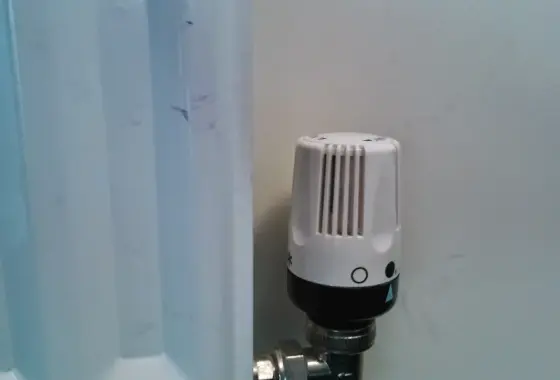
How do you use a boiler efficiently? It is a question on everyone’s mind when winter arrives and gas bills rise. The short answer: do not overheat your home, use the thermostat correctly, keep your radiators and boiler well maintained, and seal the places where heat escapes. Here are 10 tips that cut your bill, starting with “what temperature should my boiler be set to?”.
What temperature should a boiler be set to?
There are two different temperatures: the room temperature and the flow temperature of the water the boiler sends to the radiators. For rooms, 20–21 °C during the day is comfortable for most people, and every degree lower makes a noticeable saving in heating energy. For radiator water, 50–60 °C is enough in most homes; condensing boilers in particular work more efficiently when the return water is cooler. On very cold days the setting can be raised a little.
10 tips to cut your bill
- Use a room thermostat: it stops the boiler once the home reaches the set temperature, preventing unnecessary running. Programmable models lower the temperature automatically at night and when you are out.
- Do not switch the boiler off and on: letting the home go cold and then reheating it often uses more energy. Lower the temperature by a few degrees instead.
- Use radiator valves wisely: turn down valves in rooms you rarely use, but do not shut them completely, or damp and mould may form.
- Bleed your radiators: if a radiator is cold at the top and warm at the bottom, there is air inside. Release it with the bleed valve to improve efficiency, then check the boiler pressure.
- Check the pressure: in most combi boilers the water pressure should be about 1–2 bar when cold; check the manual for the right value.
- Keep radiators clear: sofas, heavy curtains or radiator covers stop warm air spreading into the room.
- Fit reflector panels: a reflective panel behind radiators on external walls reduces heat lost into the wall.
- Seal draughts: fit draught strips around windows and doors and close curtains at night.
- Ventilate briefly but fully: instead of leaving a window ajar for hours, open it wide for 5–10 minutes a few times a day.
- Have an annual service: a service by an authorised technician before the heating season keeps it efficient and reduces safety risks.
Remember boiler safety
The boiler’s flue and ventilation must always be clear. Headaches, dizziness and nausea can be signs of carbon monoxide poisoning; if this happens, ventilate the room immediately, get outside and call for help. Fitting a carbon monoxide alarm in your home can save lives.
Why is a condensing boiler more efficient at lower temperatures?
The flue gas produced when natural gas burns contains water vapour. Condensing boilers cool this vapour until it turns into liquid and recover the latent heat it contains. This condensation only happens efficiently when the water returning to the boiler is cool enough, usually below 55 °C. If the radiator water is set very high, the return water also stays hot and the boiler works like an old-style boiler without condensing. That is why experts recommend keeping the radiator water temperature as low as possible, as long as it still heats your home adequately.
What does the boiler pressure gauge tell you?
The pressure gauge on the front panel of the boiler shows the pressure of the water in the heating system. Most manufacturers recommend a pressure of about 1 to 1.5 bar when the system is cold; the correct value is given in the user manual. If the pressure drops too far, the boiler may shut itself down for safety and an error code may appear on the display. In that case, water can be added through the filling loop according to the instructions in the manual. If the pressure keeps dropping, there may be a leak in the pipework or radiators, and this should be checked by an authorised technician.
Why are radiators hot at the bottom and cold at the top?
If the top of a radiator is cold and the bottom is hot, air may have collected inside it. The air stops hot water from reaching the whole radiator. With the boiler off and the radiators cooled down, the bleed screw in the top corner of the radiator is opened slowly while holding a cloth; first air comes out, and when water starts to come out the screw is closed. After bleeding, the system pressure should be checked and topped up if needed. If the bottom of a radiator is cold and the top is hot, the problem is usually sludge and sediment collected at the bottom; in that case a professional radiator flush may be needed.
Small steps to reduce heat loss
However efficient a boiler is, the bill goes up if heat escapes from the home. Sealing gaps around windows and doors with draught-proofing strips, drawing thick curtains at night and placing reflective foil on the outside wall behind radiators are low-cost measures. Not blocking radiators with furniture or long curtains also helps warm air spread through the room. The Energy Saving Trust in the United Kingdom notes that draught-proofing measures like these are among the cheapest ways to lower heating costs.
What to look for when choosing a boiler
When buying a new boiler, it is important to choose a capacity that suits the size of the home, its insulation and its hot water needs. A boiler that is larger than necessary switches on and off frequently and its efficiency falls. The European Union energy label shows the seasonal efficiency of boilers with letters from A+++ to G. Installation and first start-up by an authorised technician are necessary for both safety and warranty reasons.
Frequently asked questions
Does turning the boiler off at night save money?
Lowering the temperature by a few degrees at night is usually more efficient than turning it off completely; reheating a cold home in the morning can take more energy.
What does a boiler’s eco mode do?
It varies by brand, but eco mode usually saves energy by using lower temperatures and fewer firings for hot water or heating. Check your manual.
How often should a boiler be serviced?
Most manufacturers recommend once a year; the best time is just before the heating season.
Sources
- US Department of Energy (energy.gov), “Thermostats” and energy-saving guidance for heating.
- Energy Saving Trust (UK), advice on heating controls and boiler efficiency.
- Energy Saving Trust (UK), "Draught-proofing" and condensing boiler flow temperature guides
- European Commission, energy labelling of space heaters (Regulation (EU) No 811/2013)




Leave a comment
Your email address will not be published. Required fields are marked *