



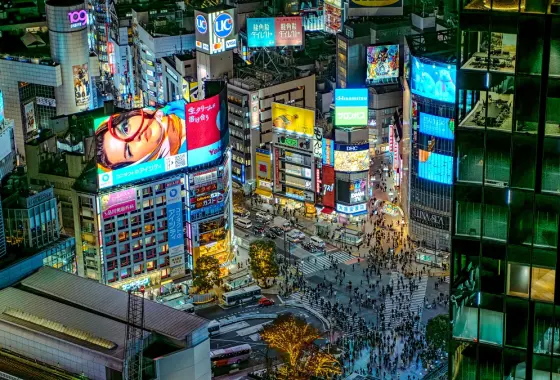
People searching for a Tokyo travel guide usually ask the same things: “what are the best things to do in Tokyo?”, “how many days in Tokyo?” and “how do you get around Tokyo?”. One of the world’s largest metropolitan areas, Tokyo surprises first-time visitors with centuries-old temples, skyscrapers, quiet gardens and street food. Here is a four-day itinerary and the practical information that will make your trip easier.
Day 1: Asakusa, Ueno and Akihabara
- Sensō-ji Temple: Known as Tokyo’s oldest temple, with the Kaminarimon (Thunder Gate) and its giant red lantern among the city’s symbols. Nakamise street in front sells traditional snacks and souvenirs. Go early to avoid the crowds.
- Tokyo Skytree: At 634 metres it is Japan’s tallest structure; on clear days you can even see Mount Fuji.
- Ueno Park: Home to the Tokyo National Museum and famous for cherry blossoms in spring.
- Akihabara: The centre of electronics, anime and gaming culture, a world of its own after dark.
Day 2: The Imperial Palace, Ginza and Tsukiji
- Imperial Palace East Gardens: A peaceful walk among the remains of old Edo Castle in the heart of the city.
- Tsukiji Outer Market: Mornings are ideal for fresh sushi, seafood and tamagoyaki (Japanese omelette).
- Ginza: Tokyo’s showcase of luxury shops and department stores, with its main street closed to traffic at weekends.
Day 3: Harajuku, Shibuya and Shinjuku
- Meiji Jingū: A Shinto shrine founded in 1920 in honour of Emperor Meiji and Empress Shōken, set inside a dense forest.
- Harajuku and Takeshita Street: Youth fashion, colourful sweets and crêpe stands.
- Shibuya Crossing: One of the busiest pedestrian crossings in the world; nearby observation decks and cafés offer the best views from above.
- Shinjuku: Eat yakitori in the narrow lanes of Omoide Yokochō in the evening; Shinjuku Gyoen garden is perfect for a daytime break.
Day 4: A day trip
Spend a day outside the city: Kamakura with its Great Buddha and beach, Hakone with Fuji views and hot springs, or Nikkō with its UNESCO World Heritage shrines are all a few hours away by train. If you are planning a longer trip to Japan, Kyoto should be on your route too.
How do you get around Tokyo? Metro, Suica and the JR Pass
- Suica / PASMO: Rechargeable cards used on the metro, trains, buses and even in convenience stores; they can also be added to your phone’s wallet. There is also a “Welcome Suica” for tourists.
- Metro: The Tokyo Metro and Toei lines reach every corner of the city, with English signs and station numbers.
- JR Pass: You do not need it if you are staying only in Tokyo. If you will travel around Japan by bullet train, consider it: the 7-day ordinary JR Pass costs 53,000 yen from 1 October 2026 (previously 50,000 yen). Compare it with the individual fares for your route.
- Airports: Haneda is closer to the city centre; from Narita, express trains and buses reach the centre in about an hour.
Practical tips
- Entry: Many nationalities can enter Japan visa-free for short tourist stays. Japan is preparing a pre-travel online registration system for visa-exempt visitors (JESTA); check official announcements before you travel.
- No tipping: Tipping is not customary in Japan and can even cause confusion.
- Keep it quiet: People do not talk on the phone on trains; set your phone to silent.
- Few bins: Be ready to carry your rubbish with you.
- Tax-free shopping: Many shops offer tax-free purchases with your passport.
Frequently asked questions
How many days do you need in Tokyo?
Four to five days is a good start for the main sights. A week including day trips lets you get to know Tokyo at a more relaxed pace.
Do I need a visa for Japan?
It depends on your nationality: many countries, including Türkiye, have visa exemptions for short tourist or business stays (90 days for Turkish citizens). Longer stays and work require a visa.
When is the best time to visit Tokyo?
The best periods are late March to early April, when the cherry blossoms bloom, and October to November for autumn colours. July and August are hot and humid, and June is the rainy season.
Is Tokyo expensive?
Accommodation can be expensive, but transport and food are more reasonable than many expect: convenience-store meals and local ramen, soba and curry restaurants help keep the budget down.
Sources
- Japan National Tourism Organization (JNTO), “Price increases are coming to the nationwide Japan Rail Pass”, 2026.
- Ekonomist, “Does Japan require a visa? Visa-free stay in 2026”.
- Official websites of Meiji Jingū and Sensō-ji.






Leave a comment
Your email address will not be published. Required fields are marked *