




Gaziantep is one of the liveliest cities in south-eastern Türkiye and is known as the country’s gastronomy capital. Home to one of the world’s largest mosaic museums, bazaars ringing with the sound of copper and a long list of famous dishes, the city joined the UNESCO Creative Cities Network for gastronomy in 2015. This guide brings together the essentials of what to see and eat.
Zeugma Mosaic Museum
The first stop on most visits is the Zeugma Mosaic Museum, which displays mosaics excavated from the ancient city of Zeugma on the Euphrates. It is ranked among the world’s leading mosaic museums for its size and collection. Its most famous piece is the “Gypsy Girl” mosaic, known for her gaze and now one of the city’s symbols. Allow at least two hours to see the museum without rushing.
Historic bazaars and inns
- Coppersmiths’ Bazaar: Handmade copper pots, coffee pots and souvenirs, accompanied by the sound of craftsmen hammering metal.
- Zincirli Bedesten: A covered bazaar from the Ottoman period, now full of spice sellers and shops selling local products.
- Historic inns and coffee houses: Drinking menengiç coffee, made from terebinth seeds, in restored inns and long-established coffee houses is part of the Antep experience.
Gaziantep Castle and the city centre
Gaziantep Castle, rising in the middle of the city, was badly damaged in the earthquakes of 6 February 2023, and restoration work is ongoing. Check whether the castle and nearby museums are open before planning your visit. The narrow streets, stone mansions and small workshops around the castle are best explored on foot.
What to eat in Gaziantep
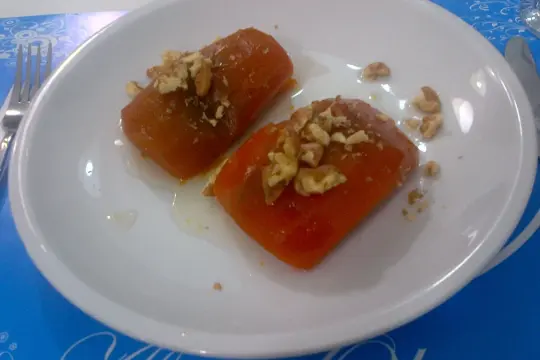
- Baklava: Made with Antep pistachios, it is the city’s most famous dish; “Antep Baklavası” was among the first Turkish products to be registered with a geographical indication in the European Union.
- Katmer: A thin pastry filled with clotted cream and pistachios, usually eaten at breakfast.
- Beyran: A spicy soup of meat and rice eaten in the morning.
- Kebabs and yuvalama: From Ali Nazik to simit kebab, plus yuvalama, a yoghurt soup with tiny meatballs.
When to visit Gaziantep
Spring (April–May) and autumn (September–October) are the most comfortable seasons for walking. Summers can be very hot, while winters are cool but fine for sightseeing. The city can be reached by air, road and rail, and most central sights are within walking distance of each other.
A two-day plan for Gaziantep
Day 1: Spend the morning at the Zeugma Mosaic Museum; arriving before the crowds lets you study the mosaics in peace. For lunch, try a kebab or yuvalama, then explore the Coppersmiths’ Bazaar, Zincirli Bedesten and the historic inns. In the late afternoon, wander the narrow streets around the castle and finish the day with menengiç coffee in a traditional coffee house.
Day 2: Start the day with katmer or beyran. Then visit the city’s museums and historic houses, such as the museums set up in traditional Antep homes. In the afternoon you can watch baklava being made in a workshop and shop for pistachios and spices.
Day trips: Rumkale, ancient Zeugma and Yesemek
- Rumkale: An impressive castle rising from the reservoir on the Euphrates. It can be seen on boat tours, and the views are worth half a day.
- Ancient Zeugma: The ancient city where the museum’s mosaics were excavated lies near Nizip, on the banks of the Euphrates. Seeing the excavation site helps you picture what you saw in the museum in its original setting.
- Yesemek Open-Air Museum: A quarry and sculpture workshop from the Hittite period in İslahiye. Unfinished lion and sphinx sculptures are displayed here in the open air.
What to buy in Gaziantep
- Pistachios and baklava: Fresh pistachios and boxed baklava are the most popular gifts; ask for the baklava to be packed for travel.
- Copperware: In the Coppersmiths’ Bazaar you can find handmade coffee pots, trays and decorative pieces.
- Kutnu fabric and yemeni shoes: Kutnu, the city’s traditional silk-and-cotton fabric, and yemeni, handmade leather shoes, are fine examples of local craft.
- Dried vegetables and spices: Dried aubergines and peppers, pepper paste and spices are ideal for anyone who wants to try Antep cooking at home.
Getting there and where to stay
Gaziantep Airport has flights from Istanbul, Ankara, İzmir and some international destinations. Because most of the main sights are within walking distance in the city centre, staying near the historic bazaars, for example in a restored mansion hotel, makes things easier. Summer heat can be intense, so plan sightseeing for the mornings and evenings. Museum fees and opening hours can change, so check the official websites before you go.
International recognition of Gaziantep cuisine
In 2015, Gaziantep joined the UNESCO Creative Cities Network in the field of "gastronomy" and became one of the first Turkish cities to receive this title. Antep baklava, the city's most famous delicacy, was registered with a geographical indication in the European Union in 2013; it went on record as the first Turkish product protected in the EU. A geographical indication shows that a product is made with methods and qualities specific to a particular region. Travellers visiting Gaziantep can also taste local dishes such as yuvarlama, beyran and katmer as part of this culinary culture alongside baklava.
Frequently asked questions
How many days should I spend in Gaziantep?
At least two days are recommended to see the museums, bazaars and food stops; add a day for excursions such as Rumkale or the ancient city of Zeugma.
What is the most famous work in the Zeugma Mosaic Museum?
The most famous is the mosaic portrait known as the “Gypsy Girl”.
Why is Gaziantep baklava famous?
It is made with thin pastry, butter and the region’s Antep pistachios; Antep Baklavası is registered with a geographical indication in the EU.
What do people eat for breakfast in Gaziantep?
The city’s most famous breakfast dishes are katmer and beyran soup, eaten early in the morning, often with menengiç coffee.
How long does it take to see the Zeugma Mosaic Museum?
Allow at least two hours to see the mosaics without rushing.
How do you get to Rumkale?
Rumkale is usually reached by boats leaving from piers on the Yavuzeli side in Gaziantep province or the Halfeti side in Şanlıurfa province; tour times vary by season.
Sources and further reading
- UNESCO Creative Cities Network, “Gaziantep – City of Gastronomy” (2015, en.unesco.org/creative-cities)
- Republic of Türkiye Ministry of Culture and Tourism, “Zeugma Mosaic Museum” (muze.gov.tr)
- European Commission eAmbrosia geographical indication register, “Antep Baklavası / Gaziantep Baklavası” (2013)
- UNESCO Creative Cities Network, "Gaziantep" page
- European Commission eAmbrosia geographical indications register, "Antep Baklavası / Gaziantep Baklavası"





Leave a comment
Your email address will not be published. Required fields are marked *