



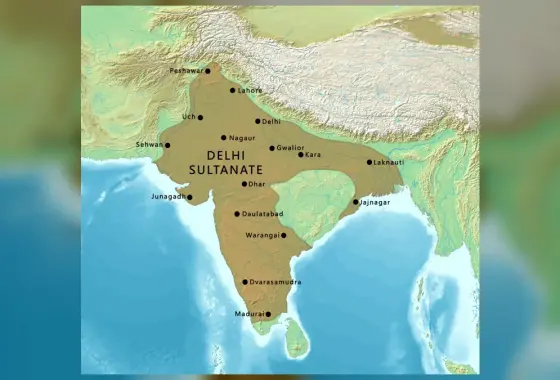
Qutb al-Din Aybak, a slave commander of Turkic origin in the service of the Ghurid sultan Mu‘izz al-Din Muhammad, founded an independent sultanate at Delhi after his master’s death in 1206. Because its founder and early rulers were of slave origin, the first dynasty is called the “Mamluk” or “Slave” dynasty. The Qutb Minar, begun by Aybak and completed by his successors, is now on the UNESCO World Heritage List.
Iltutmish and Razia Sultan
Iltutmish (1211–1236) consolidated the state and won recognition from the Abbasid caliph. His daughter Razia Sultan (1236–1240) was the first and only woman to sit on the throne of Delhi, but she was soon deposed by the opposition of the Turkic nobles.
The Khaljis and Tughluqs
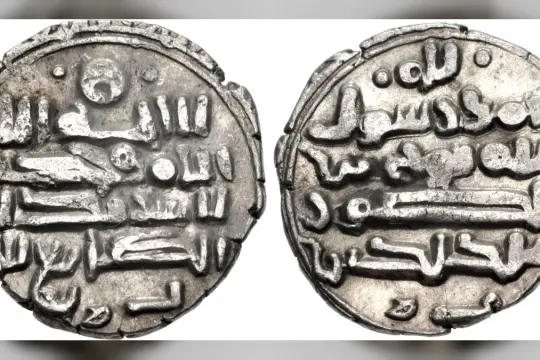
Ala al-Din Khalji (1296–1316) repelled Mongol attacks on India, campaigned in southern India and introduced market regulations controlling prices. Muhammad bin Tughluq of the Tughluq dynasty is known for controversial measures such as moving the capital for a time to Daulatabad and issuing token copper currency; the famous traveller Ibn Battuta served as a judge at his court.
Timur and the end
Timur’s sack of Delhi in 1398 dealt the sultanate a severe blow. The Sayyids and then the Afghan Lodis followed. In 1526 Babur, a descendant of Timur, defeated the last sultan, Ibrahim Lodi, at Panipat, ending the Delhi Sultanate and founding the Mughal Empire.
Sources and further reading
- Türkiye Diyanet Vakfı İslâm Ansiklopedisi, “Delhi Sultanlığı”.
- UNESCO World Heritage, “Qutb Minar and its Monuments, Delhi”.
- Ibn Battuta, Travels.
People also ask
What was the Delhi Sultanate? The Delhi Sultanate was founded in 1206 by Qutb al-Din Aybak, a commander of Turkic origin, and ruled northern India until 1526.
When was the Delhi Sultanate founded? Founded: 1206, Qutb al-Din Aybak.
What was the Delhi Sultanate’s capital? Capital: Delhi.
When did the Delhi Sultanate end? End: 1526, First Battle of Panipat.


Leave a comment
Your email address will not be published. Required fields are marked *